
The Use of the Spur in Horse Riding
“Refinement, not force”
The Use of the Spur in Horse Riding “Refinement, not force”
May 07, 2026
The spur can be one of the most misunderstood tools in horse riding. It often gets labelled as harsh or unnecessary, when in reality, when used correctly, it is neither. The spur is not there to make a horse go forward — that is the job of your leg. Instead, the spur exists as a refinement of the leg aid. It is a back-up, a whisper after the ask, not the ask itself.
Understanding this distinction is where good horsemanship begins.
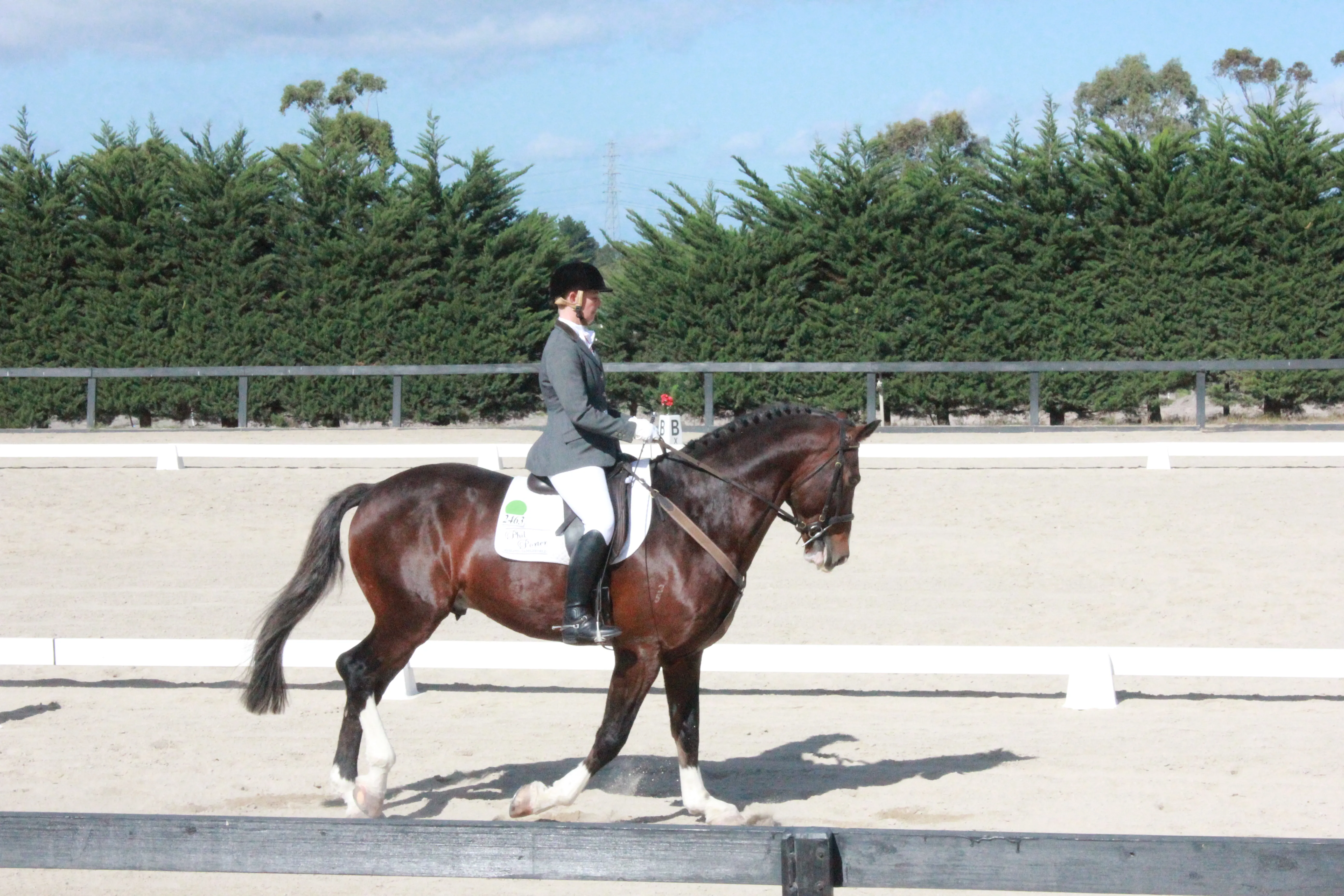
The Spur Is a Back-Up, Not the Primary Aid
Before a rider even considers wearing spurs, the horse must already be educated to respond correctly to the leg.
This means:
* The horse moves forward promptly from a light leg aid
* The horse understands lateral movement (leg yield, shoulder-in, etc.)
* The horse is not dull to the leg — but equally not over-reactive
If a horse does not go forward from the leg, adding a spur will not fix the issue — it will only mask it temporarily, often creating tension or resentment.
A well-trained horse should think forward from the lightest touch. The spur then becomes a tool to clarify or refine that response.
For example:
* Reinforcing a delayed reaction to the leg
* Adding precision to lateral movements
* Supporting engagement and straightness
If you find yourself relying on the spur to create forward movement, it’s worth revisiting the basics. Go back to your leg aids. Re-establish clarity. The spur should never replace correct training.
Educating the Horse to the Leg First
A horse that understands the leg properly is a pleasure to ride. They feel responsive, confident and consistent.
This education process takes time and consistency. The goal is to create a horse that:
* Moves forward without hesitation
* Maintains rhythm and tempo
* Accepts the leg quietly without tension
* Can differentiate between forward and sideways aids
Importantly, the horse should not become desensitised to the leg, nor should they become anxious or reactive. This balance is key.
When the horse is correctly educated, the spur becomes almost invisible in its use. It’s there if needed — but rarely required.
The Rider’s Responsibility: A Secure, Independent Leg
Before wearing spurs, riders must take a hard look at their own position.
A spur magnifies whatever your leg is doing — good or bad.
If your leg is unstable, swinging or gripping, the spur will create inconsistent signals.
This leads to confusion for the horse and often results in:
* Tail swishing
* Resistance
* Overreaction
* Loss of rhythm
A secure, independent leg is non-negotiable.
The heel should sit as the lowest point of the foot, positioned underneath the hip, allowing the rider to maintain balance and stability. The lower leg should remain quiet, with the ability to apply the aid precisely and deliberately — not accidentally.
This is where your position work becomes essential. If you haven’t already, revisit your understanding of alignment and balance. (This ties closely into the principles discussed in our Blog The Upright Seat.)
A rider who cannot control their leg should not yet be using spurs. It’s not a shortcut — it’s an advanced aid.
Timing and Feel: The Real Skill
Using a spur effectively comes down to timing and feel.
The spur should be applied:
* Lightly
* Briefly
* With purpose
It is not something that stays on the horse constantly. It is applied, then removed.
Think of it like punctuation, not a continuous sentence.
For example, if the horse ignores a light leg aid:
1. Apply the leg
2. If no response, back it up quickly with the spur
3. Immediately soften once the horse responds
This creates clarity.
The horse learns:
“Respond to the leg, or the aid will increase.”
But equally important — once the horse responds, the pressure must go away. This is what creates willing, confident horses rather than tense ones.
Confidence in Forward and Sideways Movement
A correctly used spur can help build confidence in both forward and lateral work.
For forward movement:
* It reinforces prompt reactions
* It supports engagement from behind
* It encourages the horse to stay in front of the leg
For lateral movement:
* It helps define the sideways aid more clearly
* It supports correct bend and positioning
* It improves accuracy in movements like leg yield or shoulder-in
The key is that the horse understands the difference between the aids. The leg asks, the spur refines.
Avoiding Over-Reactivity
One of the biggest risks with spur use is creating a horse that becomes over-sensitive or reactive.
This usually happens when:
* Spurs are used too frequently
* The rider’s leg is unstable
* The pressure is too strong or constant
A horse that jumps away from the spur, tightens through the body, or becomes anxious is telling you something is not right.
The goal is a horse that accepts the spur quietly. No tension — just a clear response.
If over-reactivity develops, it’s important to step back:
* Remove the spur temporarily
* Re-establish calm responses to the leg
* Focus on relaxation and rhythm
The spur should never create fear.
Types of Spurs and Their Purpose
There are many different types of spurs, and each has a specific purpose depending on the discipline and the rider’s needs.
Understanding these differences is important — not all spurs are created equal.
Dressage Spurs
Dressage spurs are designed for precision and subtlety.
Common types include:
**Prince of Wales (straight spur): A simple, short, straight spur suitable for many riders
**Ball-end spur: Softer contact, often used for sensitive horses
**Roller spur: Has a small rolling ball to reduce friction and encourage smooth contact
In dressage, the spur is used to refine communication, particularly in lateral work and engagement. It should be discreet and almost invisible to the observer.
Jumping Spurs
Jumping spurs tend to be shorter and more rounded.
They are used to:
* Support responsiveness
* Maintain forward momentum
* Reinforce the leg without interfering with the horse over fences
Because of the dynamic nature of jumping, a shorter, less intrusive spur is generally preferred to avoid accidental contact.
General Riding Spurs
For everyday riding, the choice of spur depends on the horse and rider combination.
Many riders opt for:
* Short, blunt spurs
* Rounded ends for softer contact
The aim is always the same — clarity, not force.
Choosing the right spur comes down to:
* Your level of control
* Your horse’s sensitivity
* The discipline you are riding
When in doubt, simpler is better.
Welfare and Ethical Considerations
There is no room for misuse when it comes to spurs.
Educated riders prioritise:
* The horse’s comfort
* Clear communication
* Fairness in training
Visible marks, rubbed hair, or behavioural resistance are all signs that something is wrong.
Spurs should never be used in anger or frustration. If emotions are involved, it’s time to stop and reassess.
Used correctly, the spur is a humane and effective aid. Used incorrectly, it becomes unfair.
When Should You Use Spurs?
Spurs are not necessary for every rider or every horse.
They are appropriate when:
* The rider has a stable, independent leg
* The horse is educated to the leg
* The goal is refinement, not basic training
They are NOT appropriate when:
* The horse is dull to the leg (training issue)
* The rider lacks control of their lower leg
* The rider is trying to create forward movement
There is no rush to use spurs. Many excellent riders choose not to use them at all.
Bringing It All Together
The spur is a subtle, refined aid — not a shortcut.
When used correctly, it enhances communication, improves precision, and supports the horse in understanding the rider more clearly.
But it comes with responsibility.
A rider must:
* Have a secure, independent position
* Understand timing and feel
* Prioritise the horse’s education and welfare
And most importantly — the spur should always remain secondary to the leg.
If you get the basics right, you’ll find you rarely need it.
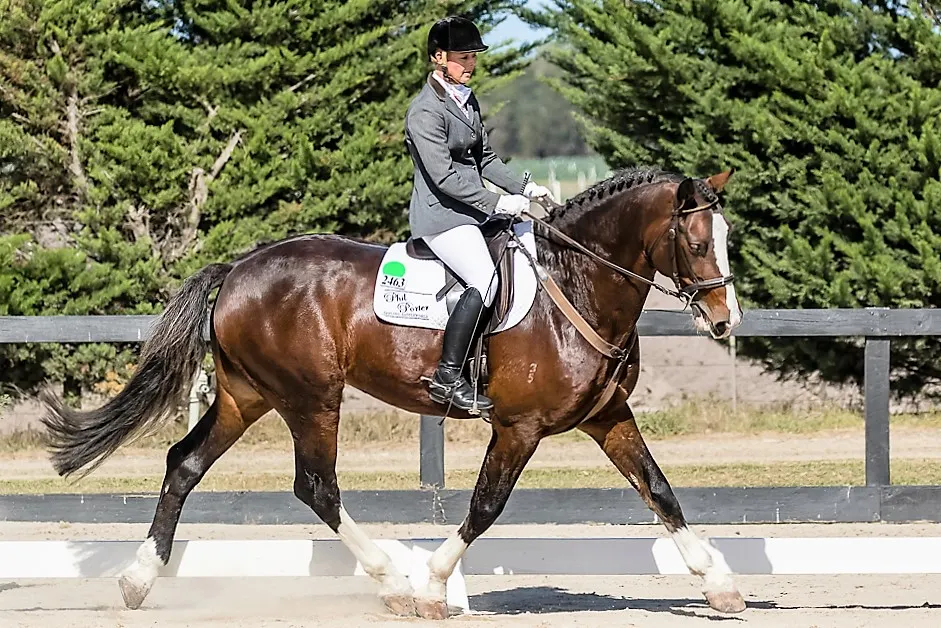
Final Thoughts
Good riding is about clarity, consistency and feel.
The spur, when used thoughtfully, fits beautifully into that picture. It is not about making the horse do more — it is about helping the horse understand better.
Keep your aids simple. Keep your expectations fair. And always come back to the foundation: a well-educated horse and a well-balanced rider.
That’s where the real magic happens.
#AvocaParkEquestrian #HelpingPeopleLiveTheirLoveOfHorses #DressageInLightnessOnline#HorseRiding #EquestrianLife #DressageTraining #HorseTraining #RidingTips #EquestrianAustralia #HorseEducation #CorrectRiding #UprightSeat #HorseWelfare #EquestrianCoaching #RiderPosition #DressageLife #HorseCare #EquestrianBlog