
The Upright Seat:
The Foundation of Balance, Control and Horse Welfare
The Upright Seat: The Foundation of Balance, Control and Horse Welfare
Apr 02, 2026
In all areas of riding — whether you’re working towards high level performance or simply enjoying your horse out on the trail — one fundamental principle underpins everything we do:
The rider’s ability to sit in balance.
The upright seat, defined by the alignment of ear, shoulder, hip and the ball of the foot, is not a stylistic preference. It is a biomechanically efficient position that allows the rider to remain in harmony with the horse’s movement while maintaining control of their own body.
When this alignment is correct, the rider is no longer something the horse has to carry and compensate for. Instead, they become a balanced, organised load that supports the horse’s ability to move freely, correctly and without tension.
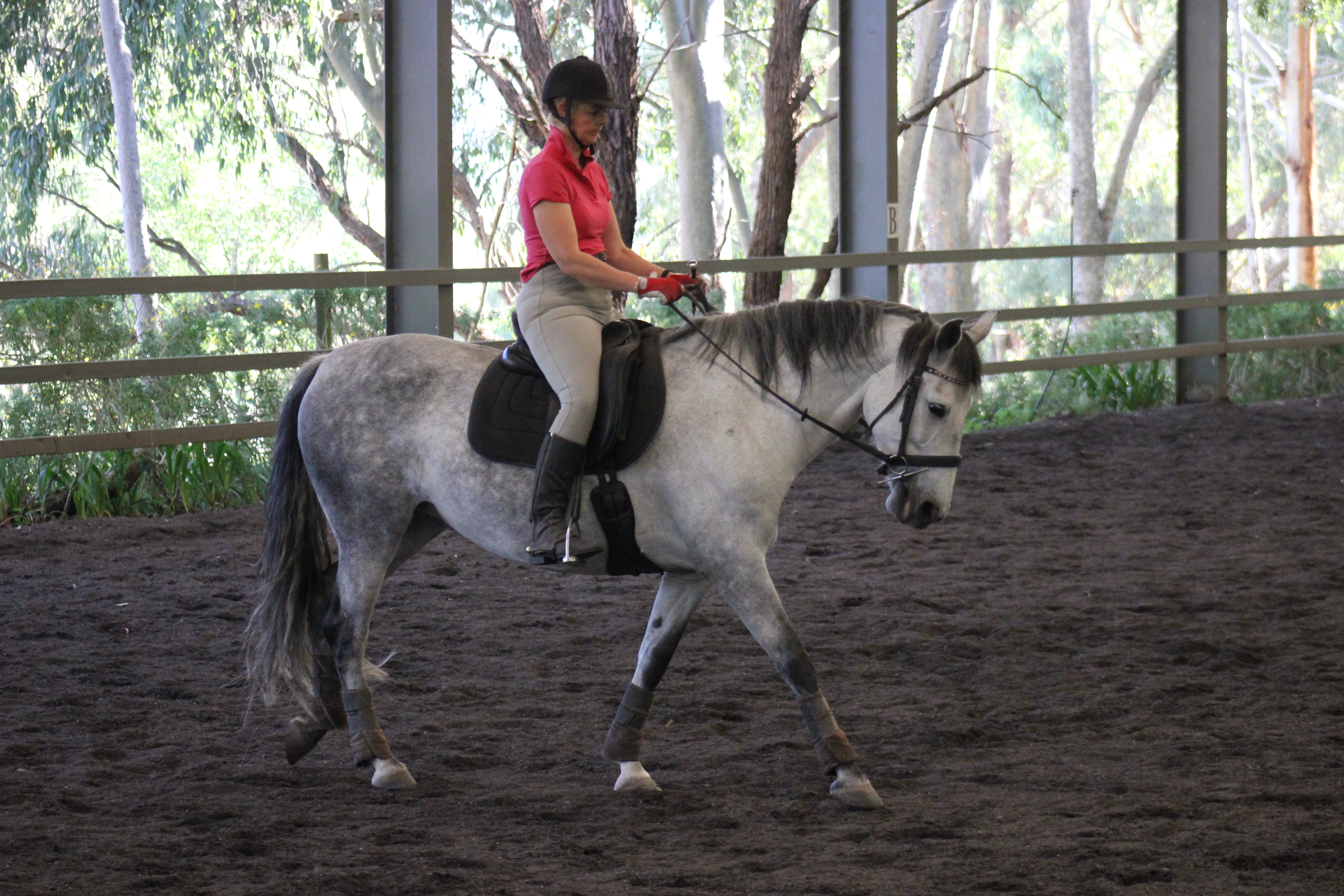
Why Alignment Matters
The horse is a moving platform. Every stride involves complex coordination through the back, limbs and core of the horse. The rider sits directly on top of this system.
If the rider is out of alignment:
* Their centre of gravity shifts away from the horse’s
* The horse must compensate to maintain balance
* Tension develops through the horse’s body
* Movement becomes restricted
When the rider maintains the correct vertical alignment:
* The rider’s weight is distributed efficiently
* The horse can lift through the back
* The stride can remain regular and elastic
* The horse is able to stay in balance without unnecessary compensation
This is why the upright seat is not optional — it is fundamental to correct riding.
The Rider’s Centre of Gravity
The alignment of ear – shoulder – hip – ball of foot places the rider’s centre of gravity directly over the horse’s centre of movement.
This has several important effects:
* It stabilises the rider without tension
* It reduces unnecessary movement or interference
* It allows the rider to follow the horse’s motion rather than resist it
If the rider tips forward:
* Weight is transferred onto the horse’s forehand
* The horse becomes heavier in front
* The hindquarters disengage
If the rider sits behind the movement or collapses:
* Excess weight is driven into the saddle
* The horse’s back is restricted
* The stride shortens and tightens
Correct alignment allows the rider to remain neutral, which is essential for effective communication.
The Distribution of Weight: A Functional Model
A useful way to understand rider balance is to consider the distribution of body weight across three key areas:
**One third through the stirrup irons
**One third supported through the rider’s core and torso
**One third resting in the saddle
This model reflects a dynamic and elastic system, rather than a static position.
Weight Through the Stirrups
The stirrups provide a base of support. When weight is allowed to pass down through the rider’s leg:
* The lower leg stabilises
* The joints (hip, knee, ankle) can absorb movement
* The rider avoids gripping or bracing
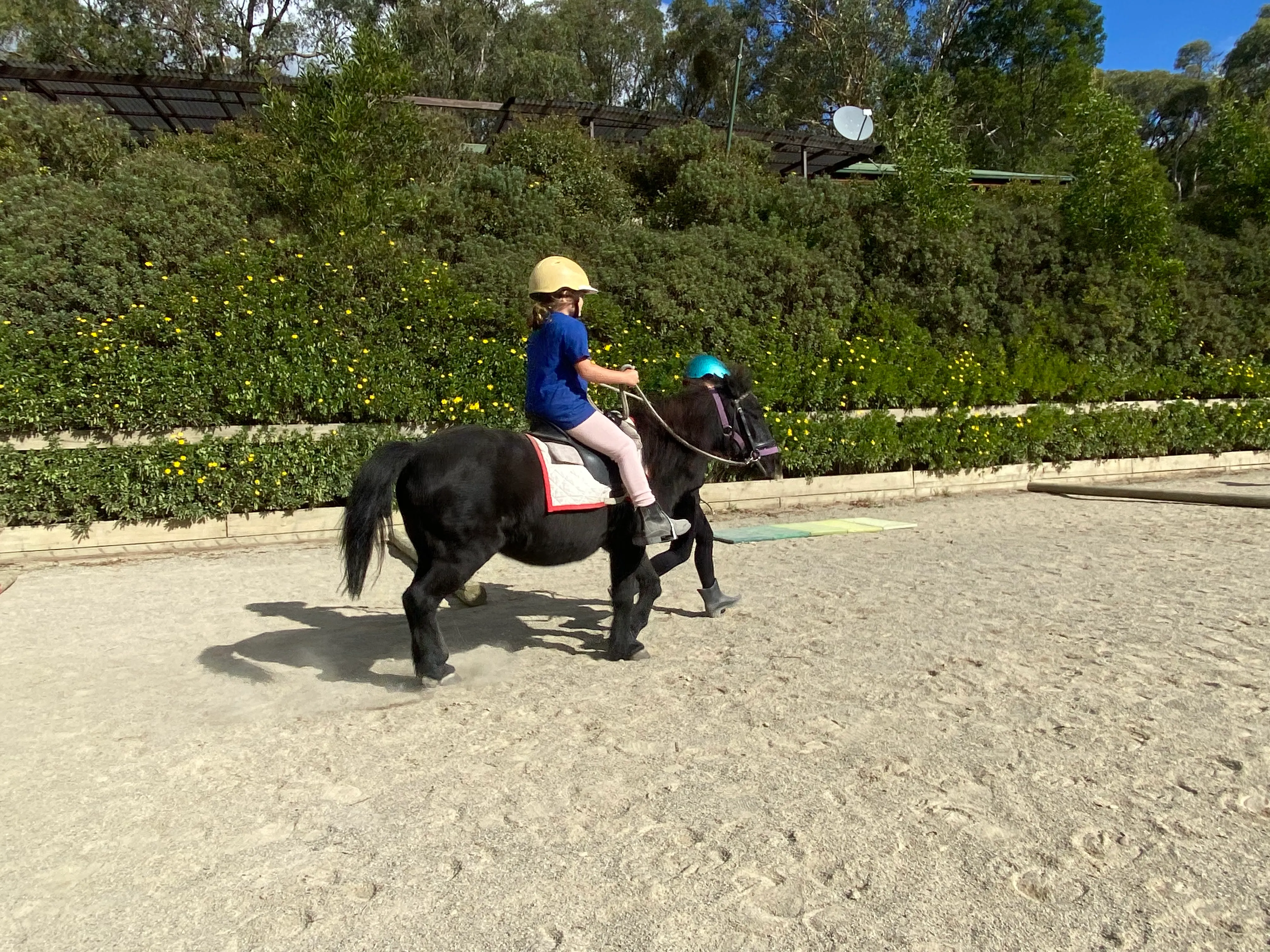
(Example of lack of weight in the stirrups, resulting in an unbalanced rider and a swinging lower leg)
A lack of weight in the stirrups often results in:
* An unstable lower leg
* Increased reliance on the reins for balance
* Tension through the rider’s body
Support Through the Core and Torso
The rider’s torso must provide structural support without becoming rigid.
This involves:
* Length through the spine
* Subtle engagement of the core musculature
* An organised, upright posture
This allows the rider to:
* Maintain balance independently
* Adjust to movement
* Avoid collapsing or over-bracing
Without this support:
* The rider’s position becomes inconsistent
* Balance is lost
* Aids become ineffective
Weight in the Saddle
The seat should provide contact, not excessive load.
When balanced correctly:
* The rider’s seat follows the movement of the horse
* Pressure is distributed evenly
* The horse’s back remains free to lift and swing
When too much weight is placed in the saddle:
* The horse’s back is driven down
* Movement becomes restricted
* The horse may develop tension or resistance
The Consequences of Poor Weight Distribution
When the rider does not distribute their weight effectively, the result is often a passive, heavy seat combined with instability elsewhere.
This typically presents as:
* Minimal weight in the stirrups
* Lack of support through the torso
* Excessive weight in the saddle
From the horse’s perspective, this creates:
* Increased physical strain
* Reduced freedom of movement
* Difficulty maintaining rhythm and balance
Over time, this can contribute to:
* Muscular tension
* Asymmetry
* Reduced performance
* Increased risk of injury
Independence of the Rider’s Aids
One of the most significant outcomes of a correct upright seat is the development of independent aids.
When the rider is balanced:
* The hands are no longer required for stability
* The legs can apply precise, controlled aids
* The seat can influence without restriction
This independence is critical for clear communication.
If the rider lacks balance:
* The hands are used for support, leading to inconsistent rein contact
* The legs become unstable or grip unnecessarily
* Aids become unclear or contradictory
The horse, in turn, receives mixed signals, which can lead to confusion and resistance.
Controlled Limbs and Effective Communication
For riding to be effective, each aid must be delivered clearly and independently.
A balanced rider is able to:
* Apply leg aids without disturbing upper body position
* Maintain consistent rein contact without tension
* Use the seat to influence rhythm and direction
This level of control is only possible when the rider’s body is organised and balanced.
Without it:
* Aids overlap or conflict
* Timing is compromised
* The horse cannot respond correctly
Implications for Performance Horses
In performance disciplines, the upright seat is essential for the correct development of the horse.
A rider in balance allows the horse to:
* Lift through the thoracic sling
* Engage the hindquarters effectively
* Maintain straightness
* Develop strength and suppleness
Without rider balance:
* The horse compensates for the rider’s instability
* Correct muscle development is compromised
* Performance is limited
No amount of training can replace the influence of a balanced rider.
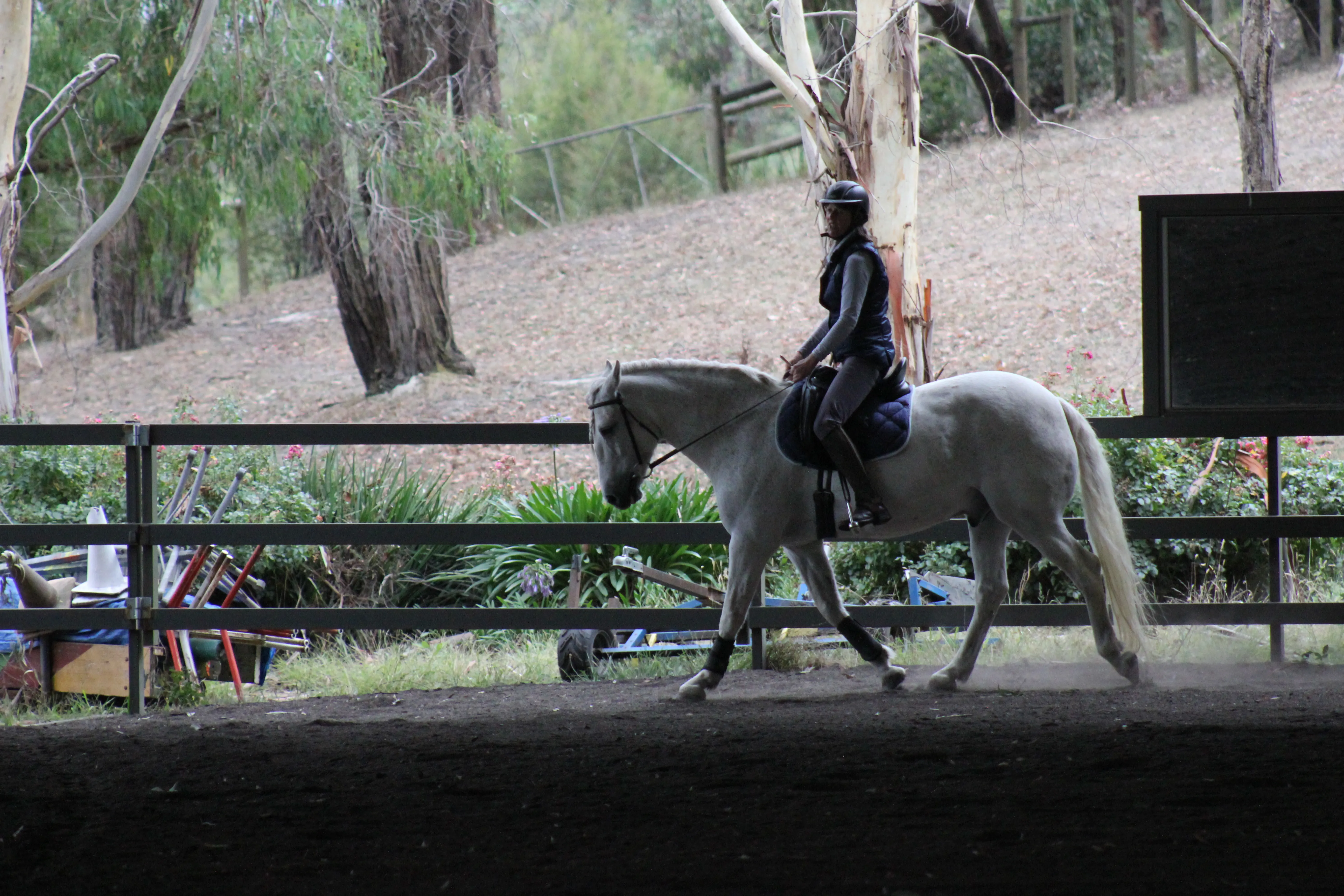
Practical Importance for Everyday Riders
The importance of the upright seat extends beyond competition.
For recreational and trail riders, it directly impacts:
* Security in the saddle
* Ability to respond to unexpected movement
* Overall safety
A rider who is aligned and balanced is better able to:
* Stay centred during sudden changes
* Maintain control without relying on the reins
* Move with the horse across varied terrain
This makes the upright seat a practical necessity, not just a theoretical ideal.
Conclusion
The upright seat is not about appearance or tradition. It is grounded in function, biomechanics, and the welfare of the horse.
By maintaining the alignment of ear – shoulder – hip – ball of foot and distributing weight effectively:
* The rider achieves true balance
* The horse is able to move freely and correctly
* Communication becomes clear and precise
Ultimately, the rider’s position determines the horse’s ability to perform.
Before addressing more advanced aspects of riding, it is essential to establish this foundation.
Because without it, everything else is compromised.
#AvocaParkEquestrian #HelpingPeopleLiveTheirLoveOfHorses #DressageInLightnessOnline
#UprightSeat #RiderPosition #BalancedRider #EquestrianEducation #HorseTraining #IndependentAids #RiderBiomechanics #HorseWelfare #DressageTraining #Eventing #TrailRiding #EquestrianAustralia