
The Importance of the Walk in Horse Training:
Slow and Steady Wins Every Time
The Importance of the Walk in Horse Training: Slow and Steady Wins Every Time
Feb 19, 2026
There is no pace more underestimated in training horses than the walk.
In a world obsessed with impulsion, speed, brilliance and “getting on with it”, the walk often gets treated as the filler between the “real work”. But if you truly understand horse training and performance horses, you’ll know this: the walk is where everything begins, and everything can be fixed.
Slow and steady.
Give them time to organise their bodies.
From newly backed horses to high level competition horses, the walk has so, so many benefits. It is not just a warm-up. It is not just a cool down. It is the foundation of soundness, balance, symmetry and mental clarity.
And if you skip it, you can pay for it later.
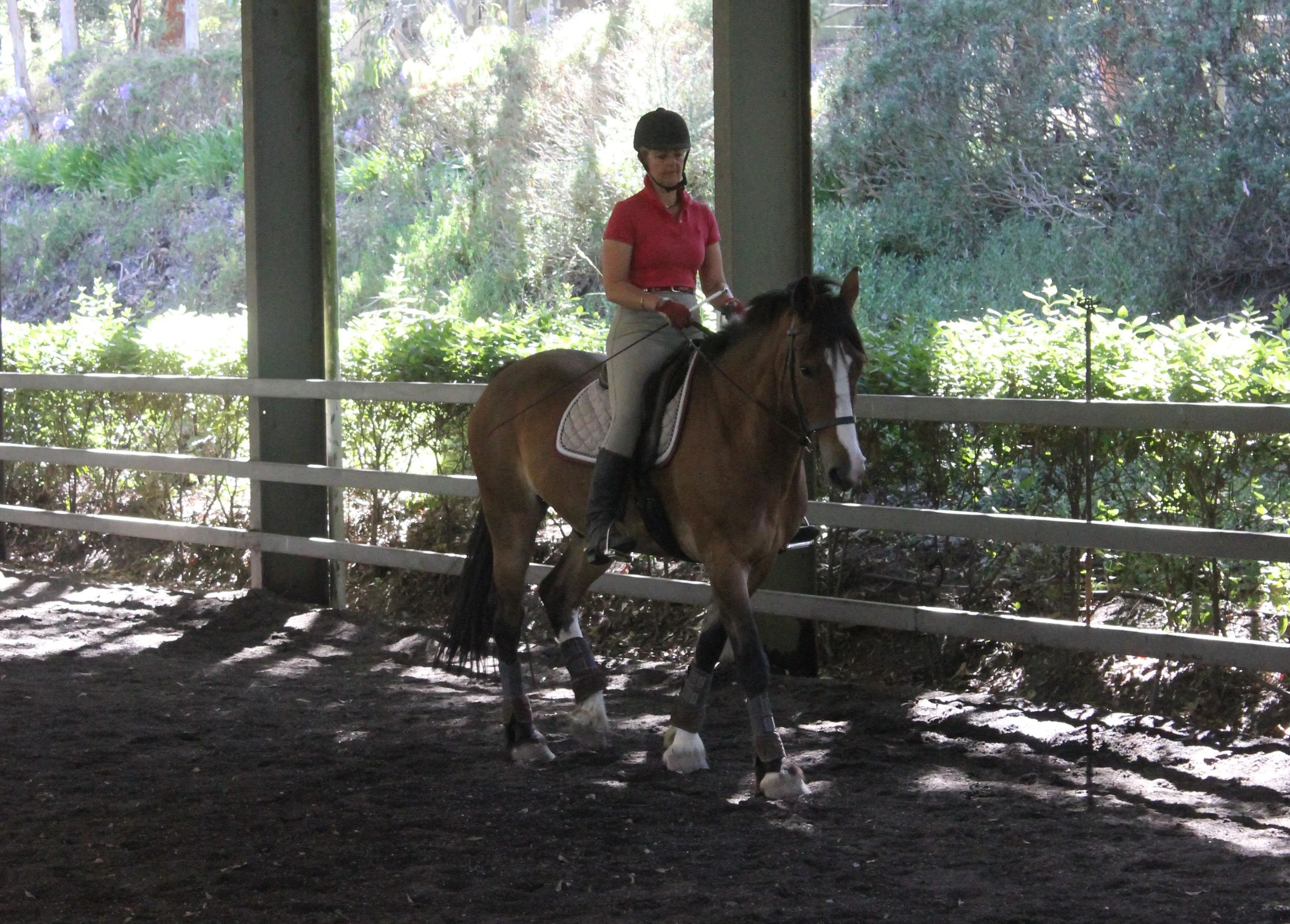
Relaxation: Accessing the Horse’s Mind and Body
At the beginning of any training session, the walk is about one thing — relaxation.
Mental and physical relaxation.
Relaxation is not laziness. It is not dullness. It is the state where the horse’s nervous system settles, the breathing slows, the muscles soften and the mind becomes available.
**Without relaxation, you do not have access to the horse’s brain.
**Without relaxation, you do not have access to the horse’s body.
In horse training, that access is everything.
When we start every session in walk, we allow the horse to:
* Adjust to the rider’s weight
* Adjust to the environment
* Release tension through the topline
* Create softer steps
* Establish rhythm without pressure
It is in those first quiet minutes of walking that you can feel the truth. Is the back tight? Is one rein heavier? Is the horse mentally present or distracted? The walk tells you many things.
This is not wasted time. This is diagnostic time. This is training time.
The Newly Backed Horse: Time Without Concussion
In the early stages of training a young horse, the walk is even more powerful.
A newly backed horse does not need brilliance. They need time.
*Time on their back.
*Time under a rider’s balance.
*Time without concussion on their legs.
At walk, there is minimal concussive force through immature joints and developing soft tissue. For young horses in training, this is critical. Their bodies are still organising themselves under load.
The walk allows them to:
* Learn to carry a rider without rushing
* Develop postural muscles safely
* Find their natural rhythm
* Understand steering and basic aids
* Experience new environments quietly
When you stay in walk, you give the young horse a chance to think.
And thinking horses become trainable horses.
Many young horse issues — rushing, falling in, bracing against the hand, hollowing — come from being pushed forward before they are organised. Slow work in walk helps them develop symmetry and coordination before speed complicates the picture.
If they can’t organise themselves at walk, they certainly can’t do it at trot or canter.
Developing Symmetry and Straightness
Most performance and injury issues in horses come back to crookedness.
Crooked horses overload one side of the body. One shoulder bulges. One hind leg trails. One rein feels empty, the other heavy. Over time, this imbalance leads to compensation, soreness and eventually breakdown.
The walk is the perfect pace to address straightness and symmetry.
Why?
Because it is slow enough for both horse and rider to feel the asymmetry and correct it without drama.
At walk, you can:
* Align the shoulders in front of the hips
* Teach the horse to step evenly under both hind legs
* Address falling in or drifting out
* Improve contact on both reins
* Build equal strength left and right
In walk, the rider has time to influence without escalating tension. The horse has time to respond without losing balance.
This is where real balance training begins.
---
Longitudinal Balance: Forward and Back
In all stages of horse training, balance must improve longitudinally — forward and backward.
A horse that runs forward onto the forehand is not in balance. A horse that hides behind the leg is not in balance either.
The walk is the safest and clearest pace to begin educating this forward and backward balance.
You can:
* Ask for a more active walk without rushing
* Quietly rebalance
* Allow the horse to lengthen their frame
* Ask them to shorten and carry
Transitions within the walk are incredibly powerful for building core strength and self-carriage. A few steps more forward. A few steps more collected. Without tension. Without speed.
This develops:
* Engagement of the hindquarters
* Lift through the base of the neck
* Strength through the abdominal muscles
* Postural control
And you can do all of this without concussion.
For performance horses — whether dressage horses, eventers, show jumpers or racehorses — this strength foundation is what protects them long term.
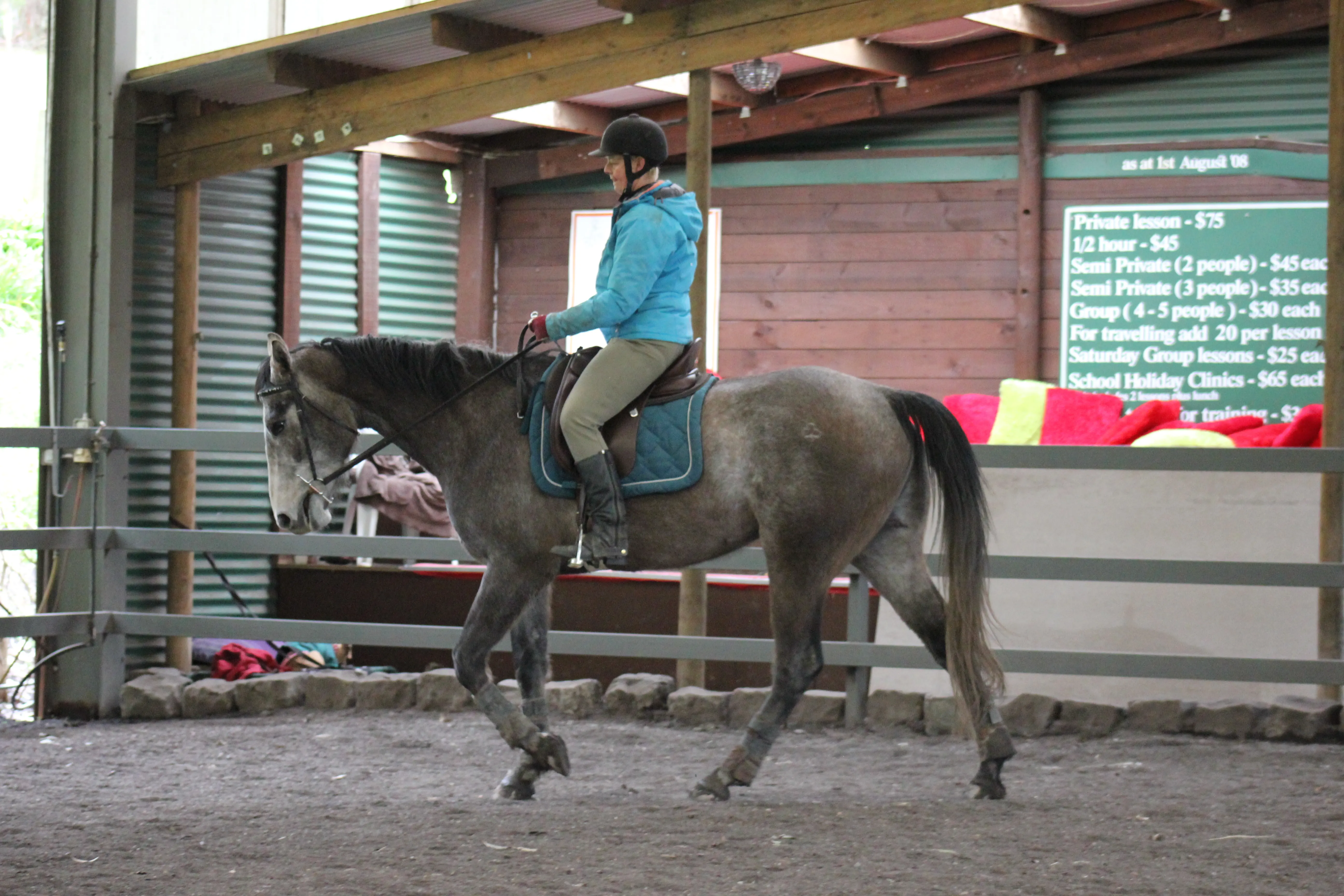
Lateral Balance: Left and Right
Laterally, the walk gives us time to explain sideways movements clearly and quietly.
Leg yield. Shoulder-in. Travers. Renvers. Half Pass. Small amounts of positioning.
When introduced correctly, these movements at walk improve mobility through the ribcage and shoulders. They mobilise the hips. They create suppleness without speed.
Sideways work at walk:
* Increases joint range of motion
* Improves flexibility
* Develops strength evenly
* Teaches the horse to move away from the leg without rushing
* Clarifies rein aids
At higher levels of training, lateral movements are not about tricks. They are about gymnastic development.
And the walk is the safest classroom.
When you “hasten slowly”, the horse understands the lesson. When you rush it in trot or canter before it is confirmed at walk, tension creeps in.
And tension is the enemy of correct training.
Diagonal Balance: The Ultimate Organisation
Eventually, training develops into diagonal balance — left front with right hind, and vice versa.
This diagonal pairing is essential for:
* Collection
* Flying changes
* Piaffe and passage
* Jumping bascule
* Racing efficiency
The walk, although a four-beat gait, allows us to educate diagonal awareness through positioning, transitions and subtle shifts in weight.
By improving:
* Hind leg activity
* Shoulder alignment
* Core strength
* Responsiveness to a re-balance aid
We begin setting the foundation for true collection and athletic performance.
You cannot build advanced movements on a crooked, rushed foundation. The walk prepares the neuromuscular system for higher demands.
Slowly. Systematically. Correctly.
Mental Development Through the Walk
The walk is not just about biomechanics. It is about mindset.
In young horses, it is exposure without overwhelm.
* Walking past scary objects.
* Walking around new arenas.
* Walking out on trails.
* Walking in company.
It builds confidence.
In older competition horses, it is decompression.
* Letting the nervous system settle.
* Releasing mental tension from travel or competition.
* Resetting after a difficult training moment.
In every stage, the walk gives us access to the horse’s mind.
A relaxed mind processes information. A tense mind reacts.
Good horse training is not about domination. It is about communication.
And communication happens best when the horse feels safe and balanced.
The High-Level Competition Horse
Even at the highest levels, the walk remains central.
In fact, the more advanced the horse, the more critical the quality of the walk becomes.
Advanced horses require:
* Precision
* Self-carriage
* Strength
* Responsiveness
* Suppleness
All of these can be refined at walk.
You can:
* Fine-tune straightness.
* Improve shoulder control.
* Develop collection carefully.
* Reinforce obedience to subtle aids.
* Re-establish relaxation before difficult movements.
When something feels wrong at canter, go back to walk.
When tension creeps into lateral work, go back to walk.
When transitions become rushed, go back to walk.
There is no loss of prestige in returning to the basics. The basics are what make brilliance sustainable.
Hasten Slowly
There is an old saying: “Hasten slowly.”
In horse training, it might be the most important principle of all.
If you rush the foundation, you delay the outcome.
If you slow down and educate thoroughly, you build a horse that lasts.
The walk allows:
* Correct muscle development
* Joint protection
* Neurological learning
* Mental relaxation
* Symmetrical strength
* True balance
It is not glamorous. It does not always feel exciting.
But it is powerful.
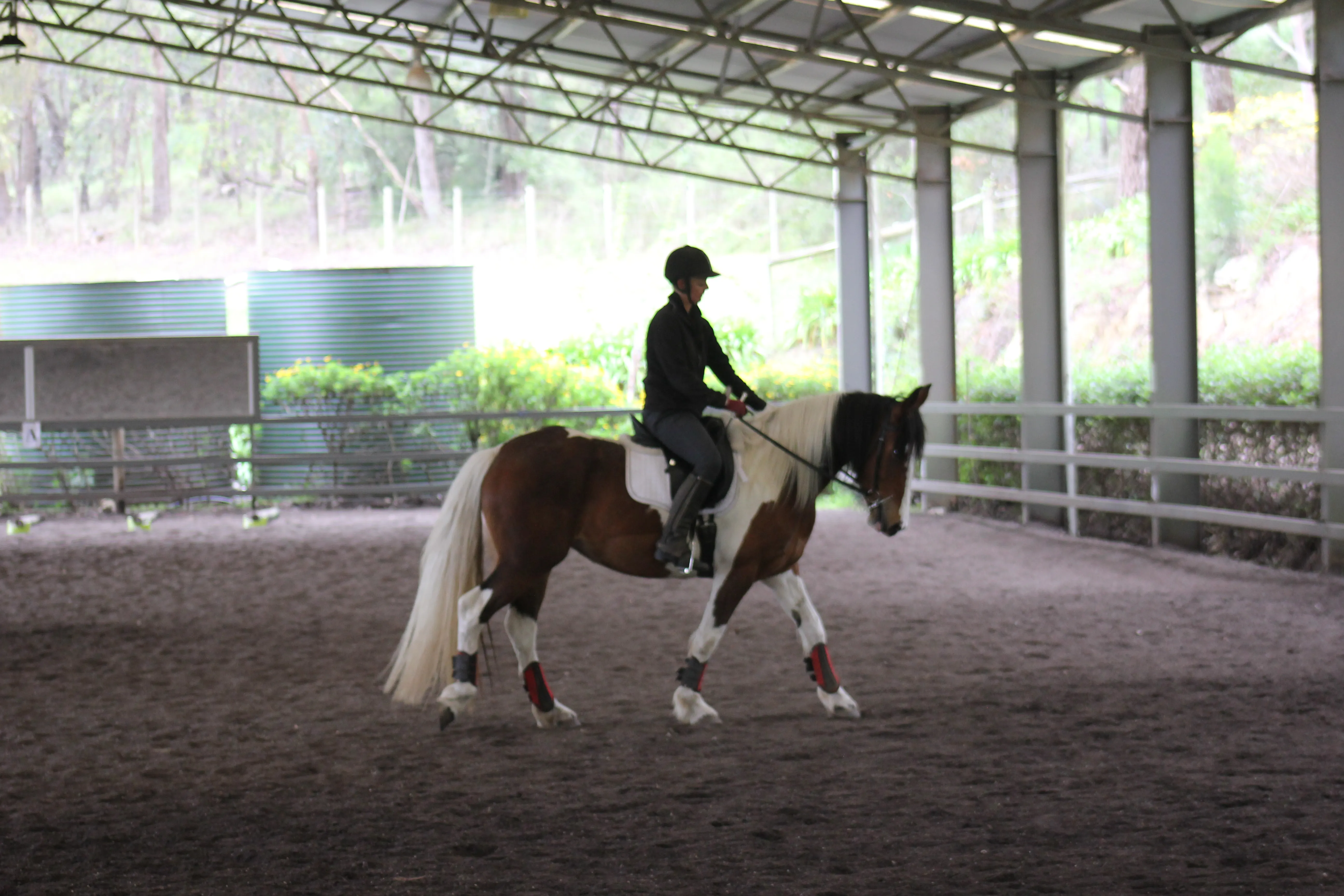
There is no more powerful pace to educate in than the walk.
From the newly backed horse learning to carry a rider, to the high-performance athlete refining collection and balance — slow, steady, organised work at walk underpins it all.
So next time you ride, resist the urge to hurry.
Feel the rhythm.
Feel the back.
Feel the symmetry.
Give them time to organise their bodies.
Because in the end, the horses that are allowed to develop slowly and correctly are the ones that stay sound, confident and capable.
And that is the real goal of good horse training.
#HelpingPeopleLiveTheirLoveOfHorses #AvocaParkEquestrian #HorseTraining #ImportanceOfTheWalk #YoungHorseTraining #PerformanceHorses #EquestrianEducation #HorseBalance #Straightness #Soundness #AustralianEquestrian #TrainSlowly #HastenSlowly #HorseDevelopment