
The Importance of Regular Horse Dentistry: *Why mouth comfort matters more than many horse owners realise*
The Importance of Regular Horse Dentistry: *Why mouth comfort matters more than many horse owners realise*
Apr 15, 2026
Horses can’t tell us when something is uncomfortable in their mouths — but they absolutely show us. Often, the signs are subtle at first. A little feed dropped on the ground. Slight resistance when bridling. A horse that was previously soft in the contact becoming fussy. These small changes are easy to overlook, but they are often the earliest indicators that something isn’t quite right.
Regular horse dentistry is one of the most important — and sometimes underestimated — parts of overall horse care. A comfortable mouth impacts not only feeding and digestion, but also behaviour, training, performance, and long-term wellbeing. As horse owners, it’s our responsibility to recognise the signs, understand the contributing factors, and develop a dental routine that suits each individual horse.
Horses Don’t Complain — They Compensate
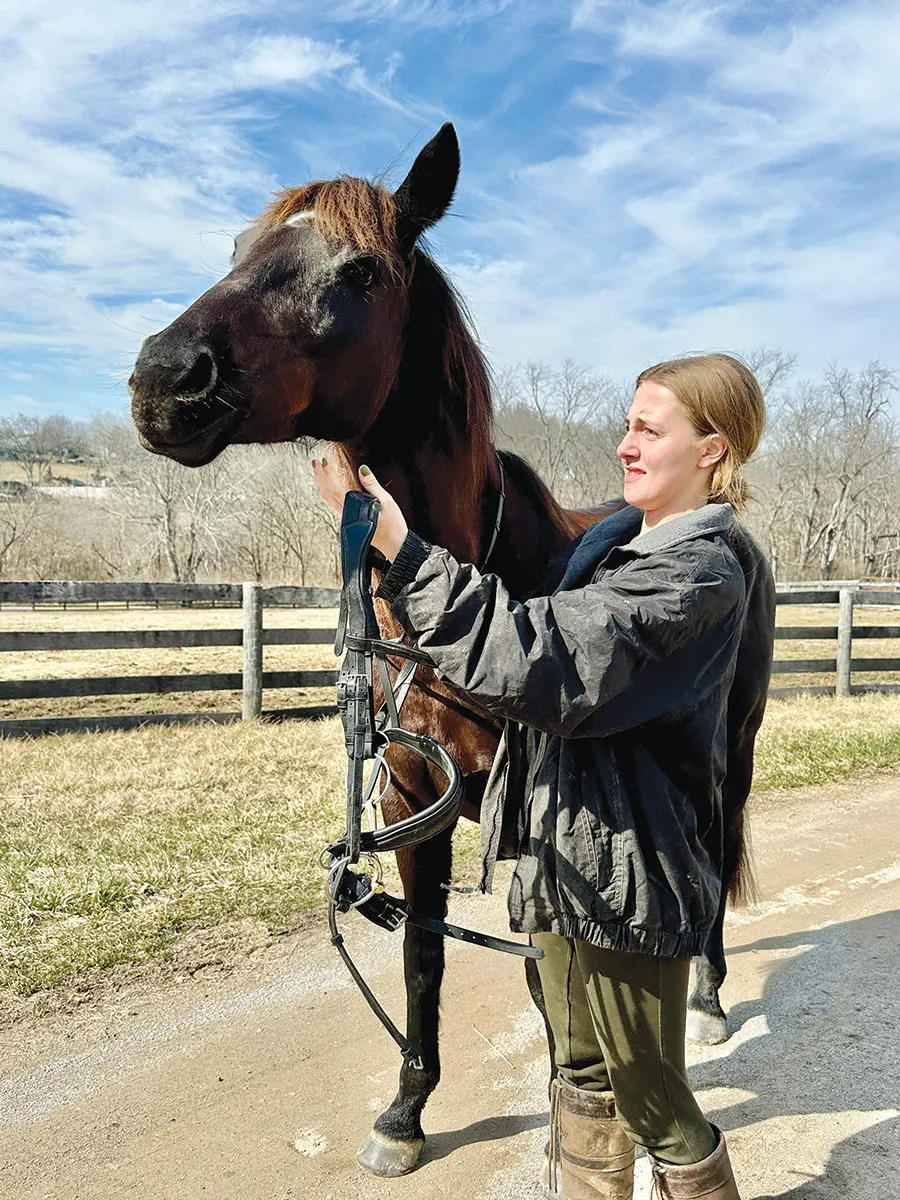
Unlike us, horses won’t point to a sore tooth. Instead, they change their behaviour.
Some of the most common signs of dental discomfort include:
* Dropping feed while eating
* Excessive salivation
* Balled or quidded hay (chewed balls of feed)
* Slow eating or reluctance to finish hard feed
* Weight loss despite adequate feeding
* Head tilting while chewing
* Bad breath
* Resistance to the bit
* Difficulty maintaining contact under saddle
* Tossing the head or opening the mouth
* Reluctance to have the bridle put on
* Becoming fussy or defensive when ridden
These behaviours are often mistaken for training issues or attitude problems, when in reality they can stem from discomfort in the mouth. A horse that is sore will naturally try to protect itself, and that protection shows up in how they eat, carry themselves and respond to pressure.
Regular dental checks help prevent small issues from becoming bigger ones. Sharp edges, hooks, waves, retained caps and uneven wear patterns can all develop gradually. When addressed early, they are simple to manage. Left too long, they can lead to significant discomfort and long-term problems.
Why Dentistry Timeframes Differ Between Horses
One of the biggest misconceptions around horse dentistry is that all horses need their teeth done on the same schedule. In reality, there is no one-size-fits-all timeframe. Some horses may need dental attention every six months, while others may comfortably go 12–18 months between visits.
Several factors influence how often a horse requires dentistry:
Age of the Horse
Young horses and older horses generally need more regular dental monitoring.
Young horses (2–5 years) are still losing baby teeth (caps) and their adult teeth are erupting. During this time, retained caps, sharp edges and uneven eruption patterns are common. If caps don’t shed properly, they can cause discomfort and interfere with chewing and bitting. Regular checks during this stage help ensure everything is coming through correctly.
Older horses often experience receding gum lines, worn teeth and teeth becoming loose. As the grinding surface changes, chewing efficiency decreases. This can lead to weight loss, digestive issues and difficulty processing roughage. Regular dentistry helps maintain comfort and maximise chewing function.
Type of Feeding
Diet plays a major role in dental wear patterns.
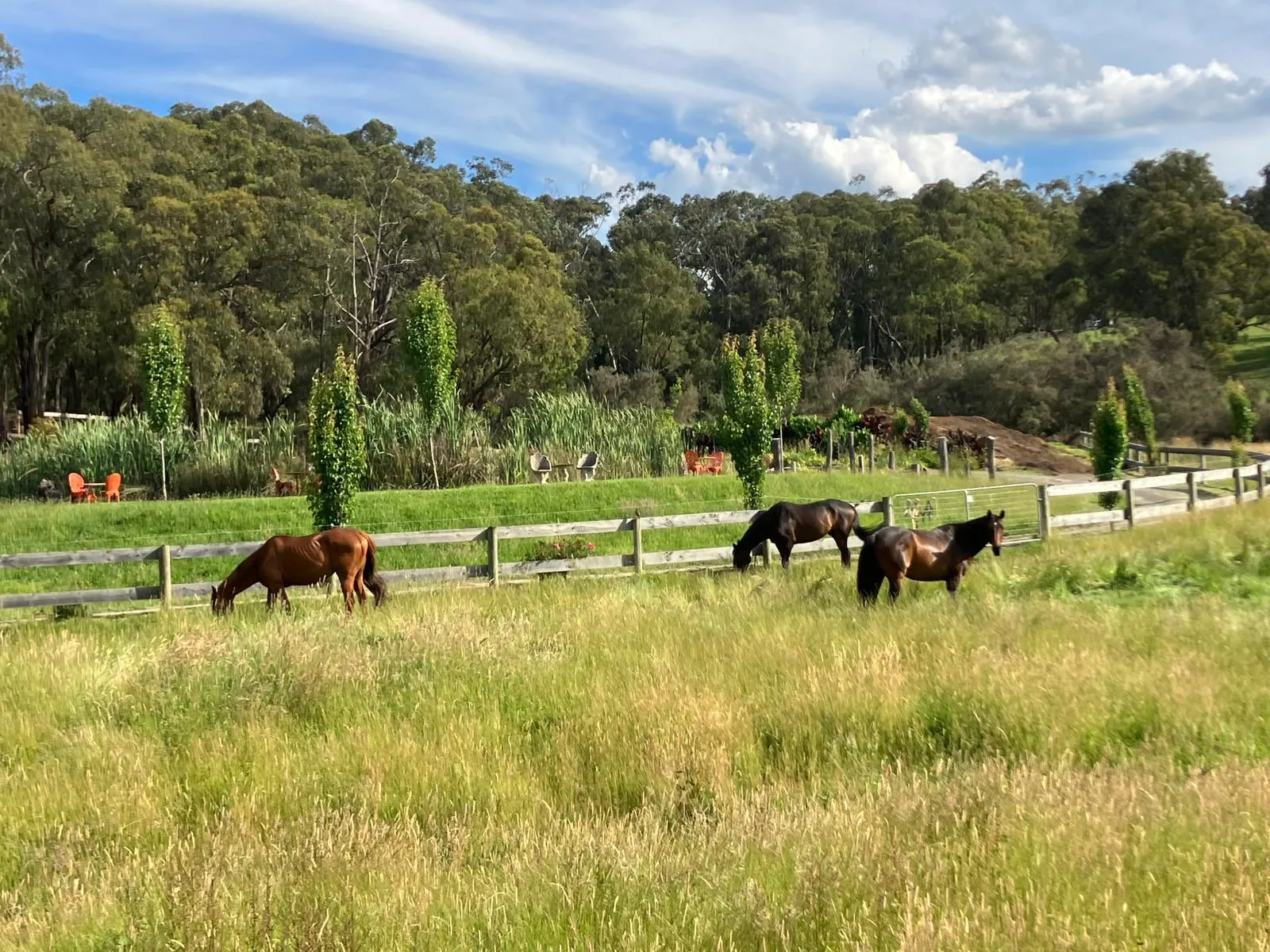
Horses designed to graze roughage for long periods develop more natural, even tooth wear. Chewing fibrous forage requires extensive lateral jaw movement, which helps grind teeth evenly and reduces the development of sharp edges.
When horses receive more hard feed — pellets, grains or processed feeds — they chew less and with less lateral movement.
This can lead to:
* Reduced natural tooth wear
* Increased sharp enamel points
* Uneven wear patterns
* Hooks and ramps forming
* Reduced grinding efficiency
This is why horses on higher hard-feed diets often require more frequent dentistry. Their teeth simply aren’t being worn down naturally through chewing.
On the other hand, horses receiving higher roughage diets — pasture, hay and fibrous feeds — typically experience more natural wear. The constant chewing motion promotes better alignment and smoother grinding surfaces. This often means less frequent dental intervention is required.
That said, roughage alone doesn’t eliminate dental needs — it simply supports healthier wear patterns.
Individual Conformation
Just like people, horses have individual jaw and tooth alignment differences. Some horses naturally develop uneven wear regardless of diet. Others maintain good alignment with minimal intervention. This is why monitoring each horse individually is so important.
The Link Between Dentistry and Performance
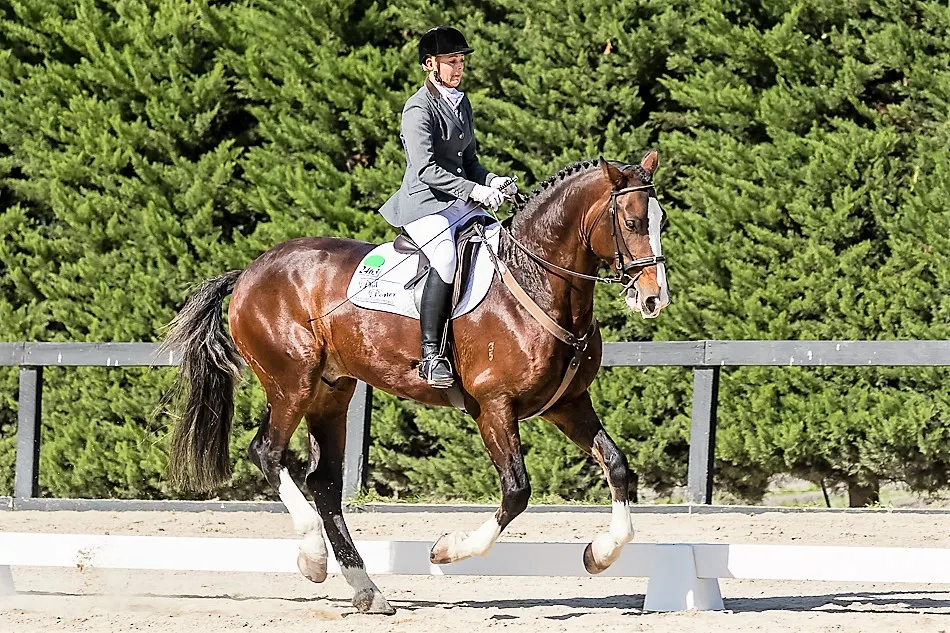
Dental comfort directly affects performance under saddle. A horse that is uncomfortable in the mouth will often resist contact, brace or become inconsistent. This isn’t disobedience — it’s self-preservation.
If a horse has sharp edges, hooks, or sore areas, pressure from the bit can exaggerate that discomfort.
The horse may:
* Pull against the contact
* Sit behind the contact
* Toss the head
* Open the mouth
* Become hollow
* Resist turning one direction
* Feel uneven through the bridle
These signs are frequently addressed with training adjustments, bit changes or rider corrections — but if the root cause is dental discomfort, those changes won’t fully resolve the issue.
Comfort in the mouth allows the horse to accept the bit softly and consistently. This creates clearer communication and improves overall rideability.
Two Types of Equine Dental Providers
Today, horse owners generally have access to two main types of dental providers:
Traditional Equine Dentists (Floaters)
These professionals focus solely on equine dentistry.
They typically use manual tools and specialise in routine maintenance such as:
* Floating sharp edges
* Removing retained caps
* Addressing minor hooks and ramps
* Maintaining even wear
* Routine mouth checks
Many horse owners prefer this approach for regular maintenance. Manual tools allow gradual adjustment and are often done without sedation, depending on the horse.
Veterinary Dentistry
Some veterinarians now offer dentistry as part of their services. This often involves sedation and the use of specialised equipment, sometimes including powered tools.
This approach can be beneficial for:
* Complex dental issues
* Wolf tooth removal
* Tooth extractions
* Severe hooks or waves
* Advanced dental disease
* Horses that cannot tolerate manual work
There are different opinions within the horse community about sedation and power tools. Some owners prefer minimal intervention, while others value the precision available with modern equipment. Ultimately, the right approach depends on the individual horse, the complexity of the issue and owner preference.
Many horses do very well with routine maintenance from traditional floaters. Others may benefit from veterinary involvement if more complex dental work is required. Staying informed and making decisions based on your horse’s needs is the most important factor.
Learning Your Horse’s Normal
One of the most valuable things you can do as a horse owner is become familiar with what is normal for your horse.
How do they eat?
How quickly do they finish feed?
Do they drop hay?
How do they accept the bit?
Do they chew evenly?
When you know your horse’s baseline, small changes become obvious. These early changes are often the first sign that dentistry may be due.
Over time, you’ll also begin to understand your horse’s ideal dental timeframe. Some horses clearly tell you when they’re ready for another visit. Others remain comfortable for longer periods. There’s no exact rule — observation and consistency are key.
Preventative Care Is Always Best
Regular dentistry is far easier than correcting neglected issues. Small sharp edges are simple to float. But left long enough, they can create ulcers, uneven wear and jaw imbalance.
Preventative dental care supports:
* Better feed utilisation
* Improved digestion
* Reduced feed wastage
* Better body condition
* Improved performance
* Softer contact under saddle
* Reduced behavioural resistance
* Long-term oral health
It’s not just about teeth — it’s about the horse’s overall comfort and wellbeing.
A Balanced Approach
There isn’t one single “correct” approach to horse dentistry. Some owners prefer minimal intervention. Others follow a structured routine. Some use veterinarians, others use traditional floaters.
What matters most is:
* Staying educated
* Observing your horse
* Recognising early signs
* Maintaining regular checks
* Adjusting frequency as needed
Every horse is different. Their age, diet, workload and conformation all influence dental needs. The goal is not to follow a rigid schedule, but to support each horse individually.
Final Thoughts
Horses rely on us to recognise discomfort they cannot explain. The mouth plays a huge role in their daily comfort — from eating and digesting feed, to carrying a bit and working under saddle.
Regular dentistry is not just about floating teeth. It’s about ensuring your horse can chew comfortably, maintain condition and work without resistance or pain. Small issues caught early prevent bigger problems later.
By paying attention to the signs, understanding feeding influences and learning your horse’s individual needs, you can develop a dental routine that supports long-term health and performance.
Comfortable mouths create softer horses, better communication and happier partnerships.
Your dentist should be an integral part of your Team!
#AvocaParkEquestrian #HelpingPeopleLiveTheirLoveOfHorses #DressageInLightnessOnline #HorseDentistry #EquineDentalCare #HorseHealth #HorseTeeth #EquineEducation #HorseOwnership #HorseCare #HorseRidingTips #HorseWelfare #EquestrianEducation #HorseTraining #HorseRidingAustralia #EquineManagement #HorseBehaviour #HorseWellbeing