
The Halt:
The Most Underrated Lesson You Can Teach Your Horse
The Halt: The Most Underrated Lesson You Can Teach Your Horse
Mar 12, 2026
In horse training we often get caught up chasing the exciting things — bigger movement, better transitions, jumping higher, galloping faster or polishing a dressage test. But in reality, one of the most important lessons a horse will ever learn is something incredibly simple.
To halt.
Or as many horse people call it — to stand or to park.
If your horse cannot stand still when asked, it makes almost everything else difficult. In some cases it makes things nearly impossible.
The funny thing is, the halt often gets overlooked. Riders spend hours working on movement, yet very little time confirming the simple ability for a horse to quietly stop and wait.
But when you really think about it, the halt is woven through every single interaction we have with our horse
And if it’s not established properly, the frustration can start before you’ve even caught the horse.
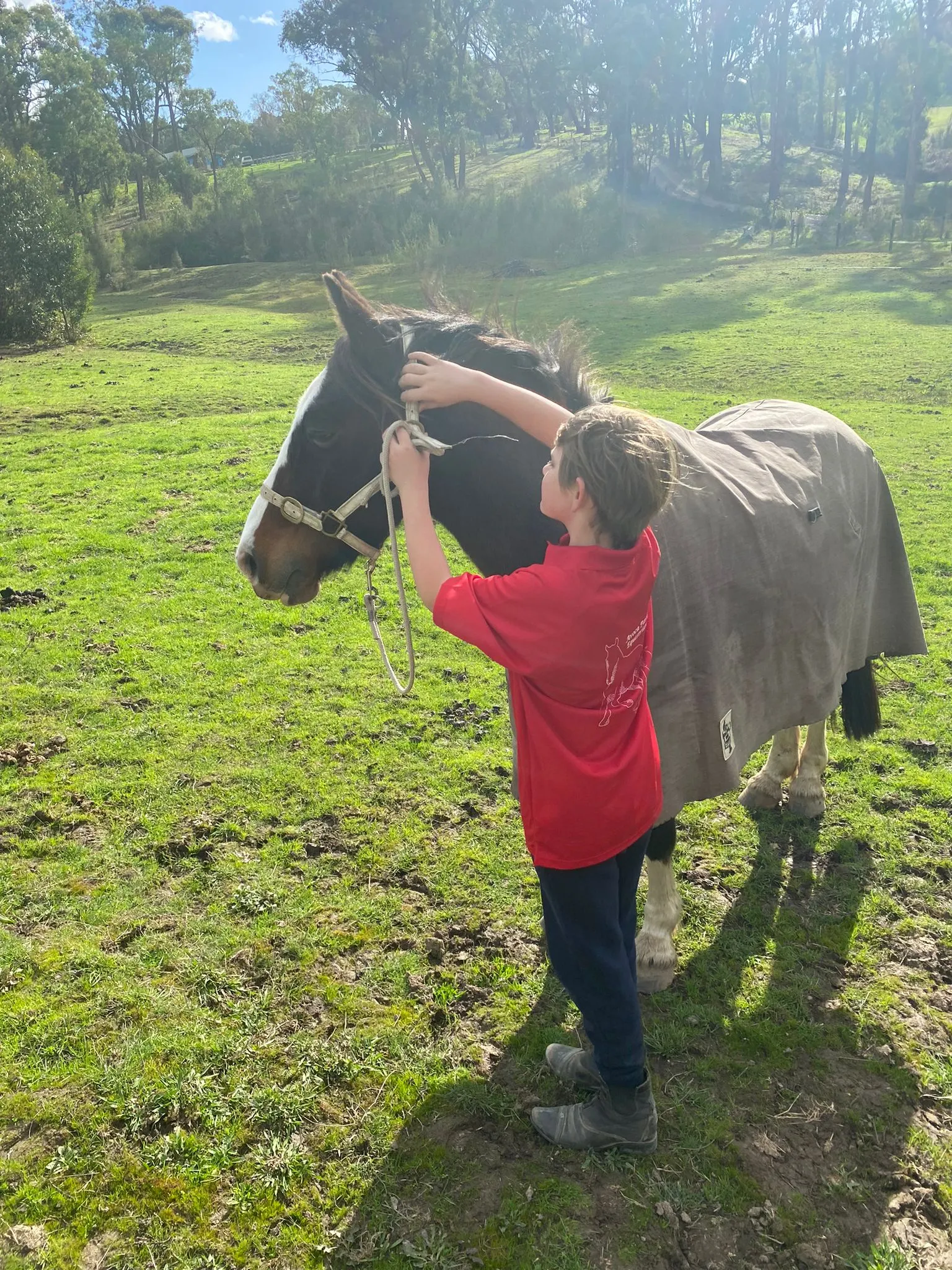
Catching Your Horse
Let’s start with the most basic part of horse ownership — catching your horse in the paddock.
Nothing is more frustrating than trying to catch a horse that refuses to stop and stand. The horse that walks away, swings its hindquarters or keeps drifting off just as you get close.
Often this behaviour isn’t naughtiness. It’s simply a horse that has never been properly trained to halt and stay halted.
A horse that understands the halt learns something important:
Stopping means relaxation.
When a horse learns to stand quietly while being caught, the whole interaction becomes calm and predictable. The horse waits, the handler approaches, the halter goes on — and the day begins without a battle.
It’s a small thing, but it sets the tone for everything that follows.
Saddling Up
Next comes saddling.
Anyone who has tried to saddle a horse that keeps swinging around or stepping sideways knows how frustrating it can be.
You go to place the saddle on — the horse moves.
You go to do up the girth — the horse steps away.
You walk around the horse — and it swings its hindquarters.
This is where the halt matters again.
A horse that understands “stand” or “park” will remain still while you move around them. It shows a level of respect, trust and training that makes the whole process smooth.
From a safety perspective, it’s also critical.
A horse that constantly moves while being saddled increases the risk of:
* saddle slipping
* girths being done unevenly
* the handler being stepped on
* unnecessary tension in the horse
Teaching a horse to stand quietly while being saddled is one of the simplest ways to improve safety around horses.
Bridling — Where Problems Often Show Up
Bridling is another moment where a lack of halt training can quickly become an issue.
A horse that lifts its head, swings its head or drifts backwards while being bridled is not just difficult — it can also create physical and emotional stress for the horse.
When a horse is moving around while the bridle is being put on, several things can happen:
* the bit can hit the teeth
* the horse may brace through the poll
* the head may be forced into position
* the handler can become frustrated and rush the process
This is how bridling issues start.
But when a horse is trained to halt and remain relaxed, the whole process becomes soft and quiet. The horse stands, lowers its head, accepts the bit and the bridle goes on without drama.
Again, the halt is doing the work.
Mounting — A Major Safety Factor
Now we come to one of the biggest reasons every horse should understand the halt.
Mounting.
Trying to mount a horse that refuses to stand still is dangerous — plain and simple.
The horse walks off.
No standing at the mounting block.
The rider hops around trying to get on.
The saddle rolls.
The rider ends up half on and half off.
It’s a situation that can easily lead to falls, injuries or a frightened horse.
A properly trained horse should stand quietly at the mounting block until the rider is balanced and ready to move off.
This isn’t about dominance or control — it’s about clarity. The horse understands that mounting is a moment of stillness before work begins.
For young horses especially, this lesson is incredibly important. It builds confidence and routine.
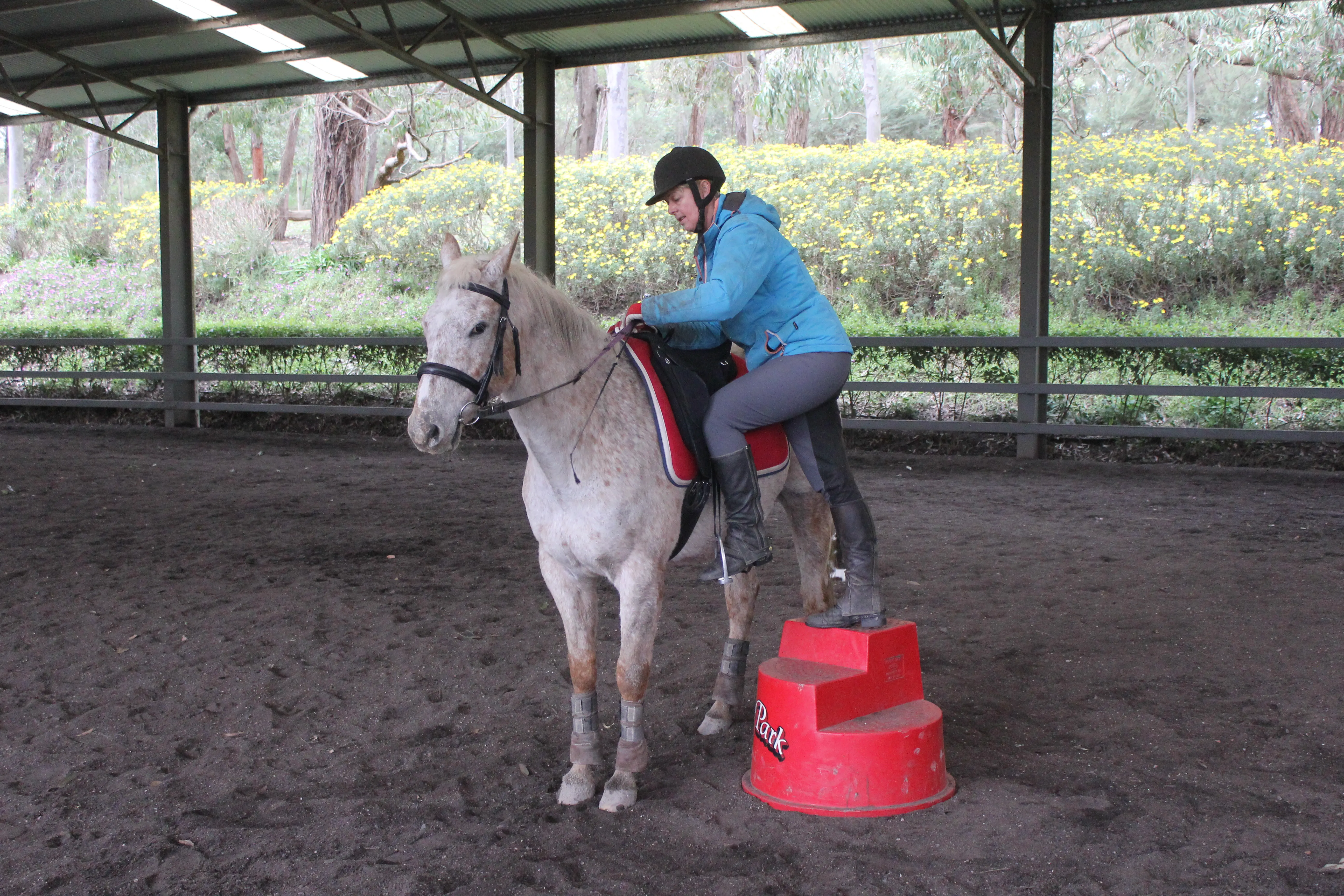
Once You’re in the Saddle
Even once you’re on board, the halt continues to play a huge role.
Think about all the small things riders need to do once mounted:
* adjusting stirrup length
* tightening the girth
* organising reins
* adjusting clothing or equipment
If the horse won’t stand still, these simple tasks become awkward and frustrating.
A horse that walks off constantly creates tension before the ride has even begun.
Whereas a horse that stands quietly allows the rider to organise themselves properly and start the session calmly.
Again, it seems like a small thing — but it makes a massive difference.
The Halt in Schooling
When we move into schooling and training, the halt becomes even more important.
The halt is not just about stopping — it’s part of the horse’s balance, straightness and understanding of the aid.
A good halt tells you a lot about the horse’s training.
In a correct halt the horse should:
* stop evenly
* remain straight
* stay soft in the contact
* carry weight through the hind legs
* stand quietly until asked to move
In dressage, the halt is an actual movement within the test.
In many tests you’ll see:
**trot–halt transitions**
**canter–halt transitions**
**halt–salute**
These moments are judged because they show the horse’s balance, responsiveness and training level.
A rushed, crooked or fidgety halt immediately shows that something in the horse’s training is missing.
The Halt Builds Patience
Another major benefit of teaching the halt is that it develops **patience in the horse**.
Horses are naturally animals that move. Teaching them to pause and wait helps develop mental relaxation.
This is particularly valuable for:
* young horses
* hot or sensitive horses
* horses returning from injury
* racehorses learning new routines
A horse that understands how to stop and wait calmly is far easier to manage in everyday life.
The Professionals Rely on It Too
It’s not just riders who benefit from a trained halt.
Think about all the professionals who work with your horse:
*Farriers
*Veterinarians
*Body Workers
*Dentists
*Physios
Every single one of them relies on a horse that can stand quietly and safely.
A horse that moves constantly during these appointments makes the job harder and more dangerous for everyone involved.
But a horse that understands the halt allows these professionals to work efficiently and safely.
It’s one of the most respectful things we can teach our horses.
Why the Halt Gets Overlooked
So if the halt is so important, why do so many horses struggle with it?
Usually it’s because riders **don’t spend enough time reinforcing it**.
We tend to halt for a moment, then immediately move off again.
The horse never actually learns to **remain halted**.
The key difference is this:
Stopping is one thing.
Standing is another.
A trained halt means the horse waits quietly until the rider or handler asks for the next movement.
Training the Halt
Teaching a good halt doesn’t need to be complicated.
In fact, the best way is often the simplest.
Ask the horse to halt clearly, then reward the stillness.
If the horse moves, quietly reposition them back where they were and ask them to stand again.
Over time the horse learns that the easiest option is simply to stay still.
Consistency is the key.
The more moments you use to reinforce the halt — while catching, saddling, mounting and riding — the stronger the lesson becomes.
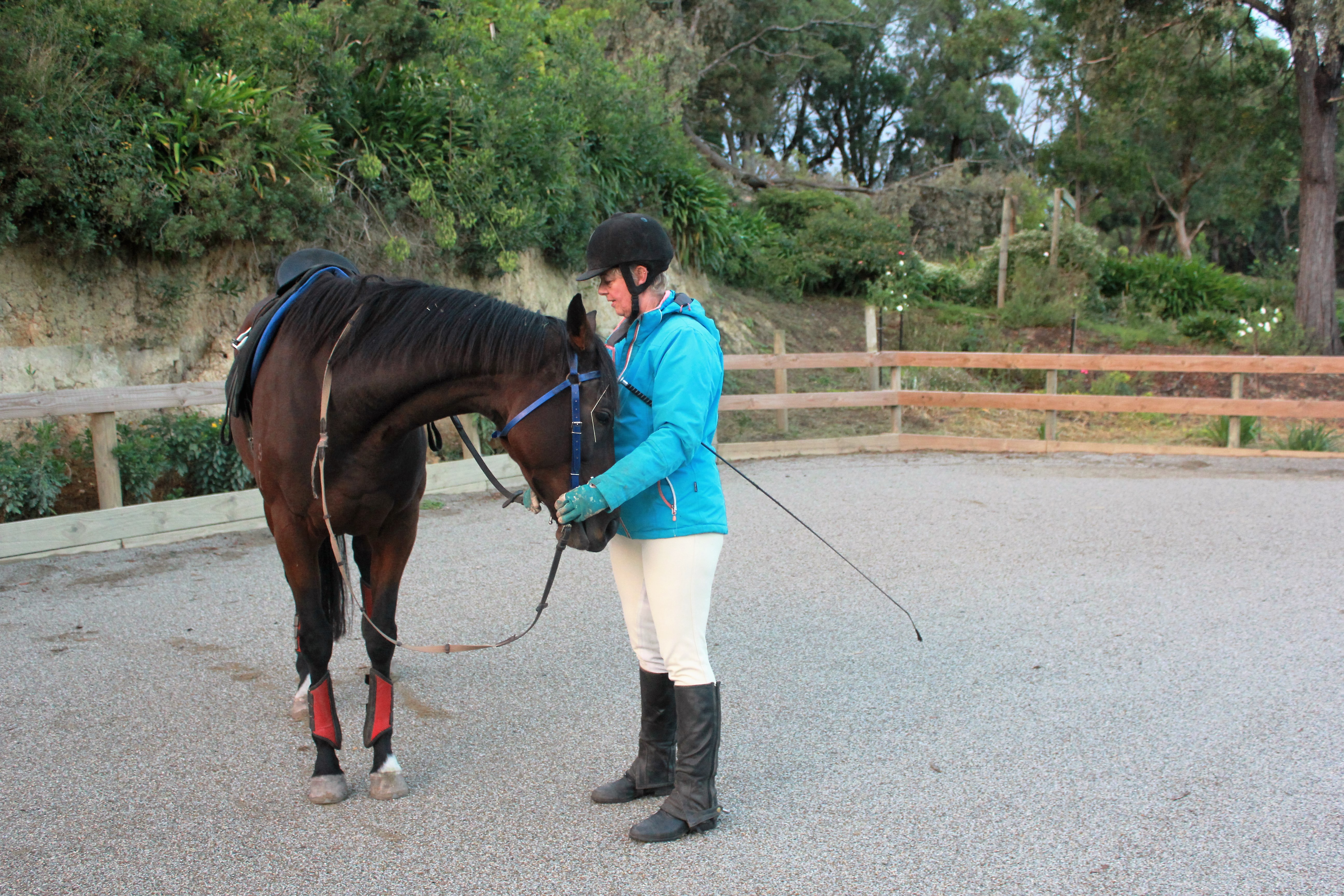
Small Lesson, Big Results
It’s funny how often the simplest lessons produce the biggest improvements.
The halt might look basic, but it underpins almost every part of horse training and horse ownership.
From catching your horse in the paddock to performing a polished halt in a dressage test, the ability to stop and stand quietly shows a horse that is:
* trained
* relaxed
* respectful
* mentally organised
And ultimately, a horse that is much more enjoyable to work with.
Sometimes the best progress we can make with our horses isn’t about going faster or doing more.
Sometimes it’s simply about teaching them to stop… and stand.
Final Thoughts
If your horse struggles with standing still, don’t ignore it.
Take the time to train it properly.
Because once the halt becomes solid, you’ll notice something interesting — everything else starts to get easier too.
And that’s the quiet power of a well-trained halt.
#AvocaParkEquestrian #HelpingPeopleLiveTheirLoveOfHorses #DressageInLightnessOnline
#HorseTraining #HorseEducation #Horsemanship #HorseTrainingTips #HorseRiders #DressageTraining #HorseHandling
#EquestrianLife #HorseTrainers #HorseSafety #GroundworkForHorses #AustralianEquestrians