
The Arms & Hands:
Cutting Through the Noise and Learning to Communicate Clearly with Your Horse
The Arms & Hands: Cutting Through the Noise and Learning to Communicate Clearly with Your Horse
Mar 25, 2026
Let’s be honest — there is sooooo much noise out there about rein contact and how we “should” use our hands.
Up, down, back, forward, sideways… left rein, right rein… give, take, half halt, release…
It’s no wonder riders end up confused, overthinking, and often doing *too much* without really understanding what they’re trying to achieve.
So instead of getting lost in all the opinions, theories and trends, let’s strip it right back.
What are we actually trying to do?
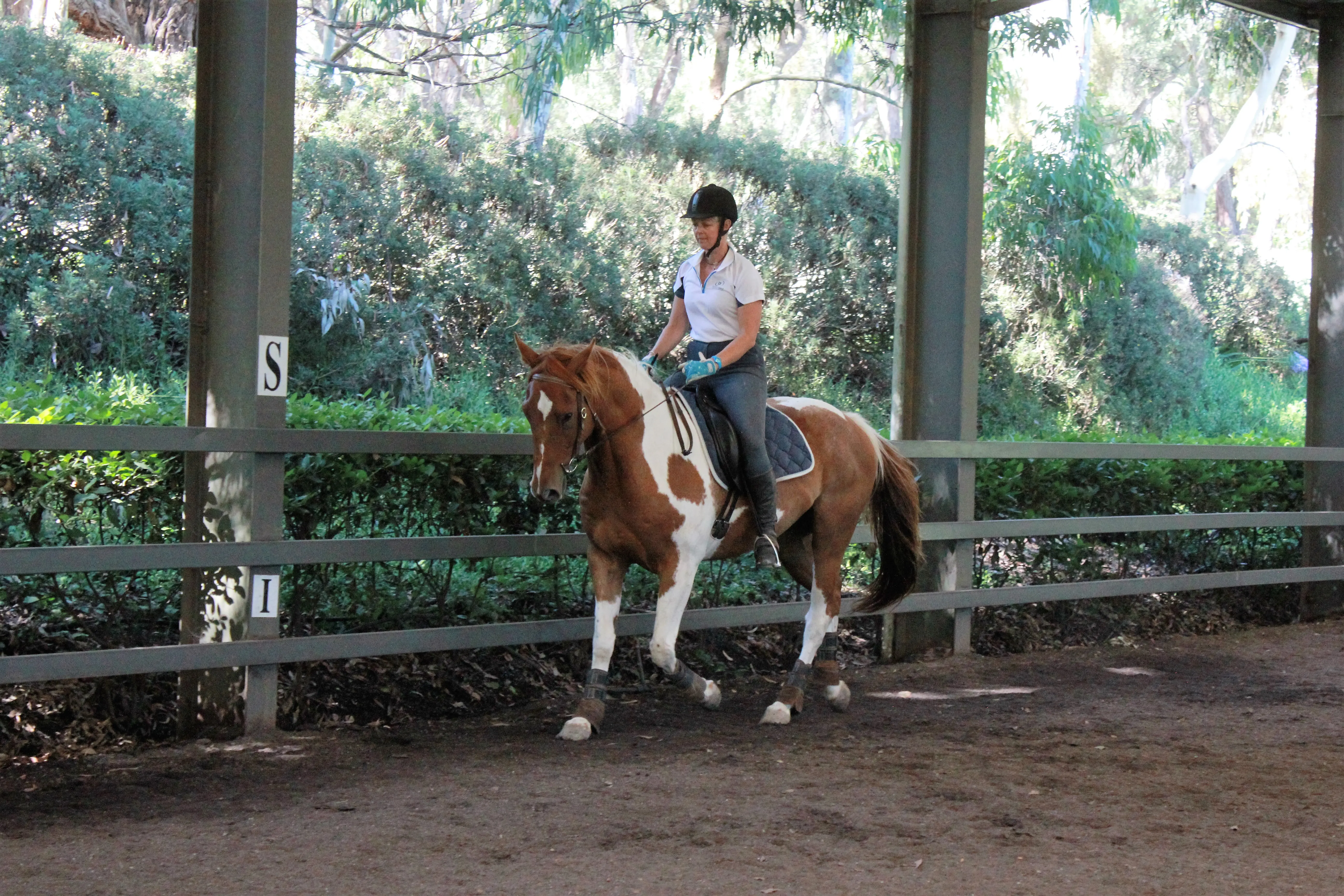
At its most basic level, riding is about communication with the horse.
That’s it.
We are trying to:
* Guide
* Suggest
* Influence
* Support
Not force. Not hold. Not make.
Every rider — whether you’re in dressage, racing, eventing or out on the trail — has a picture in their mind. A feel. A goal. Something they want to create with their horse.
But before any of that can happen, we need to ask a very important question:
Does the horse understand what we’re saying?
Because if they don’t, it doesn’t matter how “correct” our hands look.
Start with Respect
Before we talk technique, we need to talk about something far more important — respect for the horse.
Most of us ride with a bit in the horse’s mouth.
Take a moment to really think about that.
A piece of metal… sitting inside the mouth of an animal who is trying to trust us, carry us and respond to us.
That alone should shape how we use our hands.
Not fear — but awareness.
Not hesitation — but responsibility.
Because the truth is:
👉 Our hands have the potential to create clarity… or discomfort.
And that choice sits with us, every single ride.
Understanding the Bit (Without Overcomplicating It)
There are thousands of bits on the market, all designed with slightly different actions.
But instead of going down that rabbit hole, let’s focus on a fundamental principle:
👉 At ALL times, the bit should act on the corners of the horse’s mouth.
Not:
* Dragging down onto the tongue
* Pressing onto the bars or teeth
* Lifting up into the roof of the mouth
When the contact is correct, the horse can:
* Soften into it
* Seek it
* Trust it
When it’s incorrect, the horse will:
* Avoid it
* Brace against it
* Or disconnect completely
So how do we maintain that correct, kind contact?
The Straight Line That Changes Everything
There is one simple image that can transform your riding:
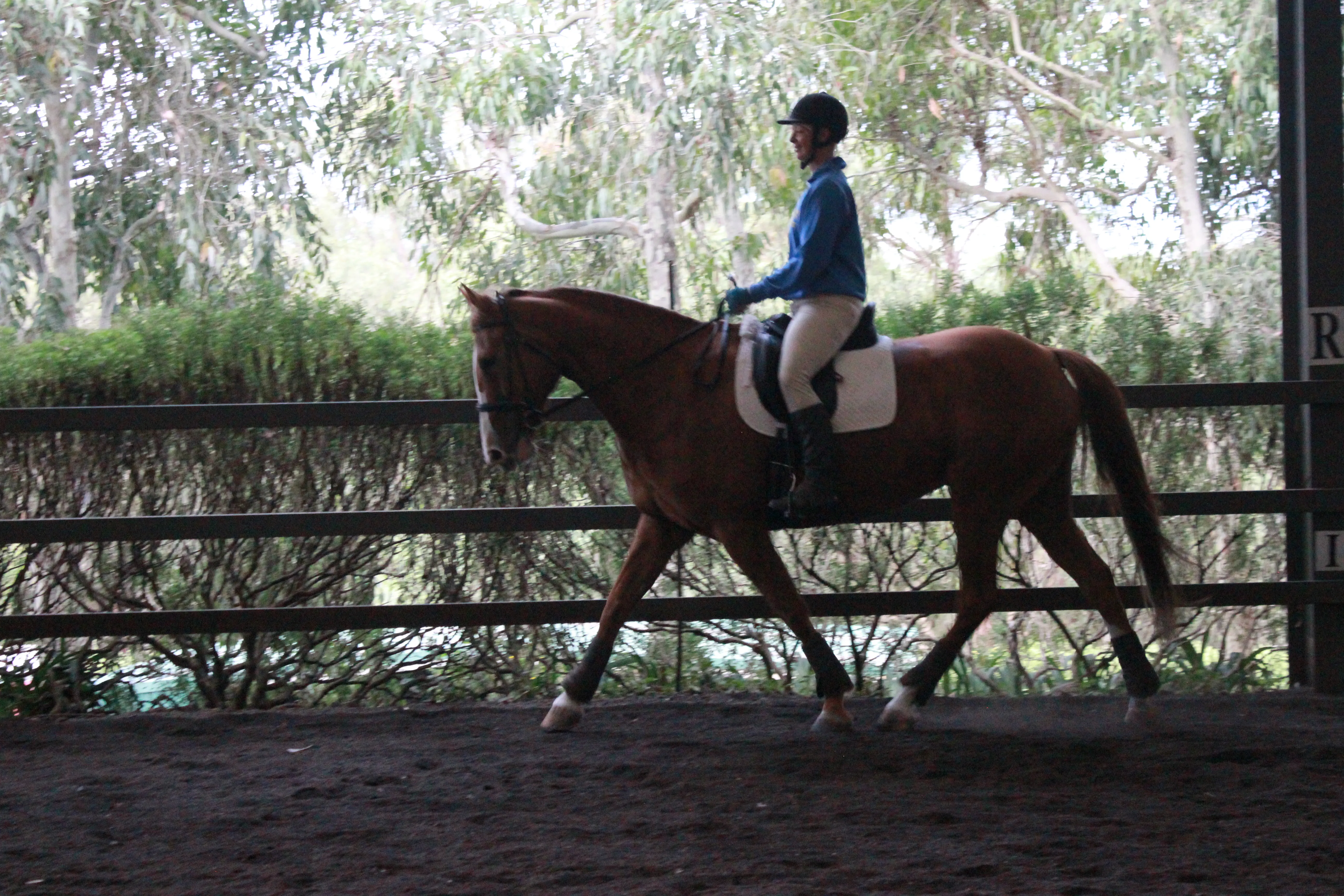
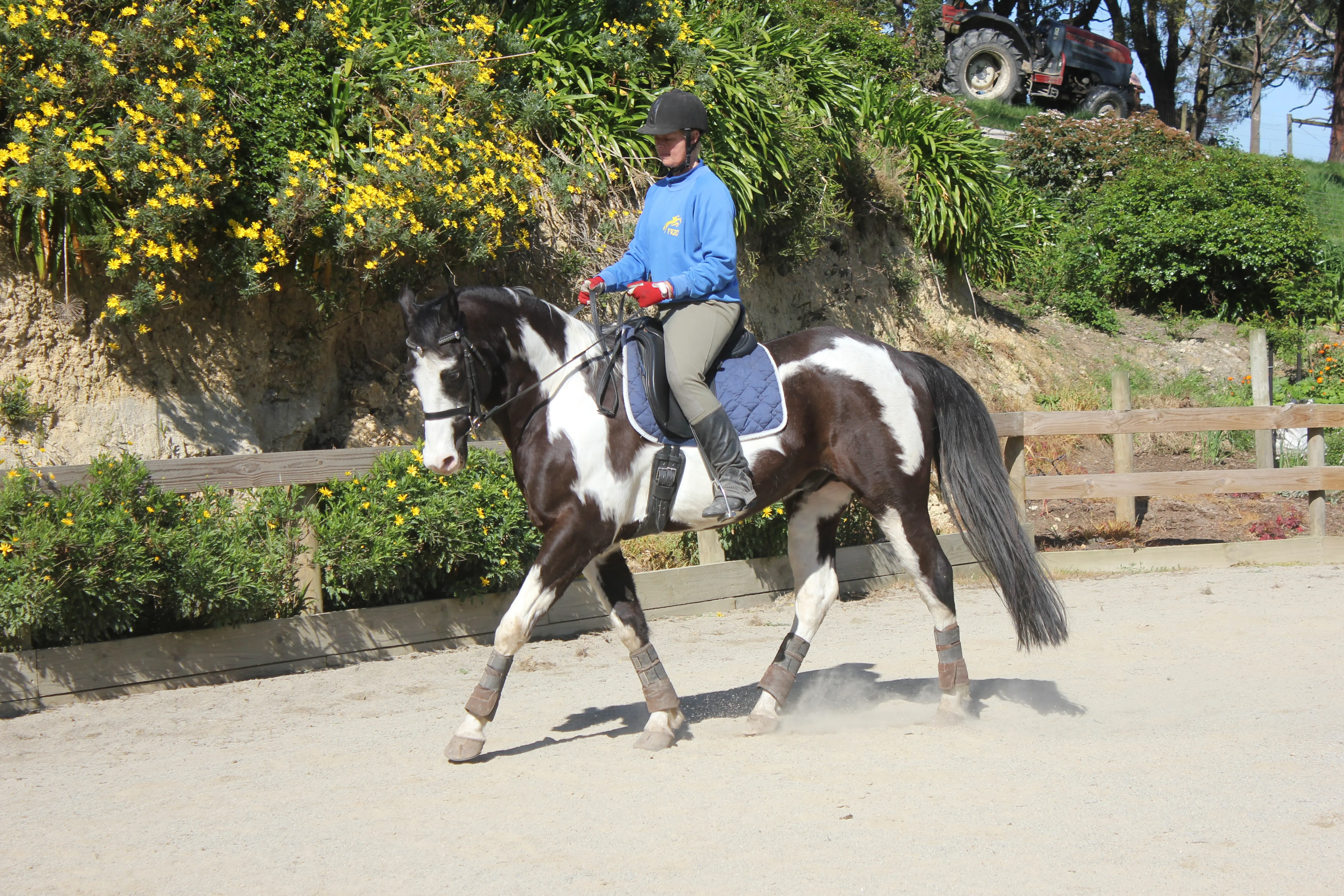
👉 A straight line from your elbow to the horse’s mouth.
This line is everything.
It determines:
* The feel in your reins
* The clarity of your aids
* The comfort of the horse
When that line is broken — by stiff arms, dropped hands, pulling back or locked elbows — the message becomes distorted.
And the horse feels it immediately.
Maintaining that line is not the horse’s job.
👉 It is ESSENTIALLY OUR responsibility.
The Biggest Misunderstanding: Pulling Back
Here’s where things go wrong for many riders.
We’re often taught (directly or indirectly) to use the reins to:
* Slow down
* Stop
* “Put the head down”
* Control direction
And what do we instinctively do?
👉 We pull back.
But here’s the reality:
There should be NO backward action onto the horse’s mouth.
Let that sink in.
No backward pulling.
Because when we pull:
* The horse braces
* The back drops
* The connection breaks
* The communication becomes defensive
Instead, the reins should act as:
👉 A guide — not a brake.
So How *Should* the Reins Be Used?
Think of your reins as a way to direct energy, not block it.
We can use them:
*Upward — to rebalance or lift
*Sideways — to guide direction and positioning
But never as a constant backward pressure.
When used correctly:
* The horse stays in front of the leg
* The movement flows forward
* The contact feels light, alive, and elastic
This is where real riding begins.
Arm Control: The Real Skill
If there’s one thing that separates a developing rider from an experienced one, it’s this:
👉 Arm control.
Not strength.
Not stiffness.
Not “holding” the horse.
But the ability to:
* Carry your own arms
* Stabilise your hands
* Move independently from your body
* Follow the horse without interfering
Because here’s the truth most people don’t talk about:
👉 Your arms can either support your horse… or become a dead weight.
And when they become a dead weight?
The horse feels every bit of it.
Dead Weight vs Self-Carriage (For the Rider!)
Many riders unknowingly rest their hands on the horse’s mouth.
Not intentionally — just because:
* Their arms are tired
* Their core isn’t supporting them
* Their balance is slightly off
So the reins become something to lean on.
But imagine this from the horse’s perspective:
* Every stride = pressure
* Every movement = restriction
* No release, no softness, no clarity
This is where tension begins.
Instead, we need to develop:
👉 Self-carriage in our own body.
That means:
* The arms are carried from the shoulder
* The elbow hangs softly by the side
* The hands are independent, not fixed
The Elbow: Your Secret Weapon
If your hands are the end point, your elbows are the engine.
The elbow must be:
* Soft
* Supple
* Able to open and close
* Never locked
Why?
Because the horse moves.
Every stride creates motion through:
* The neck
* The head
* The contact
If your elbow is stiff:
👉 That movement goes straight into the horse’s mouth.
If your elbow is elastic:
👉 You absorb the movement, and the contact stays soft and consistent.
The Wrist & Hand: Quiet but Alive
Your wrists should never be:
* Rigid
* Collapsed
* Overactive
Instead, think:
👉 Quiet… but alive.
Your hands:
* Carry the rein
* Maintain the line
* Offer guidance when needed
But they don’t constantly fiddle, fix or interfere.
Less is more.
ALWAYS!
The Feel We’re Chasing
So what does it actually feel like when it’s right?
* The reins feel light, but not loose
* The horse takes you forward into the contact
* There’s a sense of connection without restriction
* You can influence without force
It’s not about having “no contact”.
It’s about having:
👉 The right contact.
Why This Matters Across All Disciplines
It doesn’t matter if you’re:
* Training a young horse
* Riding dressage
* Preparing a racehorse
* Heading out on a trail ride
The principles stay the same.
Correct use of the arms and hands leads to:
* Better balance
* Improved straightness
* Reduced injury risk
* A more confident horse
* A clearer partnership
Because at the end of the day:
👉 Good riding is good riding.
Bringing It All Together
If you’re feeling overwhelmed by all the conflicting advice out there, come back to these basics:
* Respect the horse and their mouth
* Maintain a straight line from elbow to mouth
* Avoid backward pulling
* Use the reins to guide, not control
* Develop arm control and independence
* Keep your elbows supple and elastic
* Carry your hands — don’t rest on the horse
And most importantly:
👉Focus on communication, not mechanics.
Because when the horse understands you, everything becomes simpler.
Final Thought
This is one of the hardest skills to learn as a rider.
It takes:
* Awareness
* Feel
* Patience
* And a willingness to let go of old habits
But when it starts to click?
Everything changes.
Your horse softens.
The movement improves.
And suddenly, you’re not just riding…
👉 You’re having a conversation. :)
#AvocaParkEquestrian #DressageInLightnessOnline #HelpingPeopleLiveTheirLoveOfHorses
#HorseRiding #EquestrianLife #SoftHands #HorseTraining #RiderPosition #DressageBasics #HorseCommunication #EquestrianAustralia #BetterRiding #HorseEducation #ContactAndConnection #RideWithFeel