
Setbacks in Horse Training
Why I’ve Learned They Matter More Than the Easy Days
Setbacks in Horse Training Why I’ve Learned They Matter More Than the Easy Days
Feb 06, 2026
If there’s one thing horse training has taught me over the years, it’s this: progress is never a straight line.
No matter how experienced you are, how good the horse is, or how carefully you think you’ve planned things, setbacks in horse training are part of the deal. They turn up whether you invite them or not. Sometimes quietly, sometimes with a bang, and sometimes right when you think everything is finally coming together.
I used to see setbacks as something to fix or push through as quickly as possible. Now, I see them very differently. Because I’ve learned — often the hard way — that there is no real growth, learning or development with horses without setbacks.
The Illusion of “Perfect” Horse Training
From the outside, horse training can look smooth. Social media doesn’t help with this. You see highlight reels, not the messy middle. Horses that seem to move effortlessly from one stage to the next. Riders who look confident and in control every single day.
But that’s not real life.
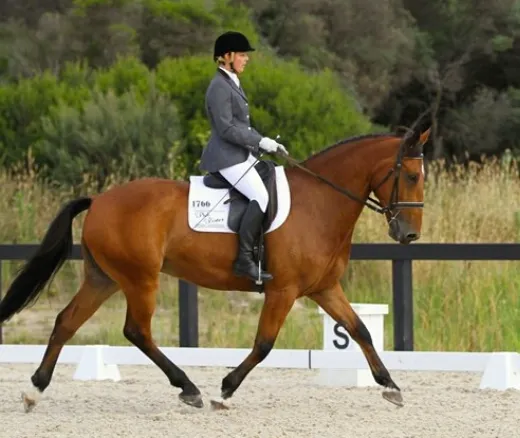
Behind every well-trained horse are weeks — sometimes months — where things didn’t feel right. Horses that felt crooked, tense, dull, resistant or confused. Training sessions where you walk away thinking….
We were better last week.
Every horse person I know has been there. If you haven’t yet, you will be.
What Setbacks in Horse Training Actually Are
A setback doesn’t mean the training has failed.
Most of the time, it’s information.
It might be physical — the horse is growing, lacking strength, dealing with soreness, or struggling with balance. It might be mental — the horse doesn’t fully understand what’s being asked, or the pressure has crept up without us noticing. And sometimes, it’s us — our timing, our expectations, or our patience slipping.
When I hit a setback now, I try to ask a different question.
Not….How do I fix this fast?
BUT
What is this horse telling me right now?
That shift alone has changed everything.
You Can’t Develop a Horse Without Education
No horse gets stronger without work. No balance improves without correction. And no confidence grows without moments of uncertainty.
The same goes for us.
Setbacks are uncomfortable because they force us to slow down and look closely at the basics. They stop us from skipping steps. They highlight weaknesses we might have ignored if everything felt easy.
In horse training, the easy days don’t teach you much. The tricky ones do.
The Doubt That Comes With Setbacks
This is the part people don’t always talk about.
Setbacks bring doubt.
Doubt in your program. Doubt in your skills. Doubt in whether you’re doing right by the horse. Sometimes even doubt in whether you’re cut out for this at all.
I’ve had plenty of moments where I’ve questioned myself — usually late at night, replaying rides in my head, wondering what I missed or what I should have done differently.
That doubt doesn’t mean you’re failing. It means you care.
The key is not letting that doubt live only in your own head.
Why Talking to People Matters in Horse Training
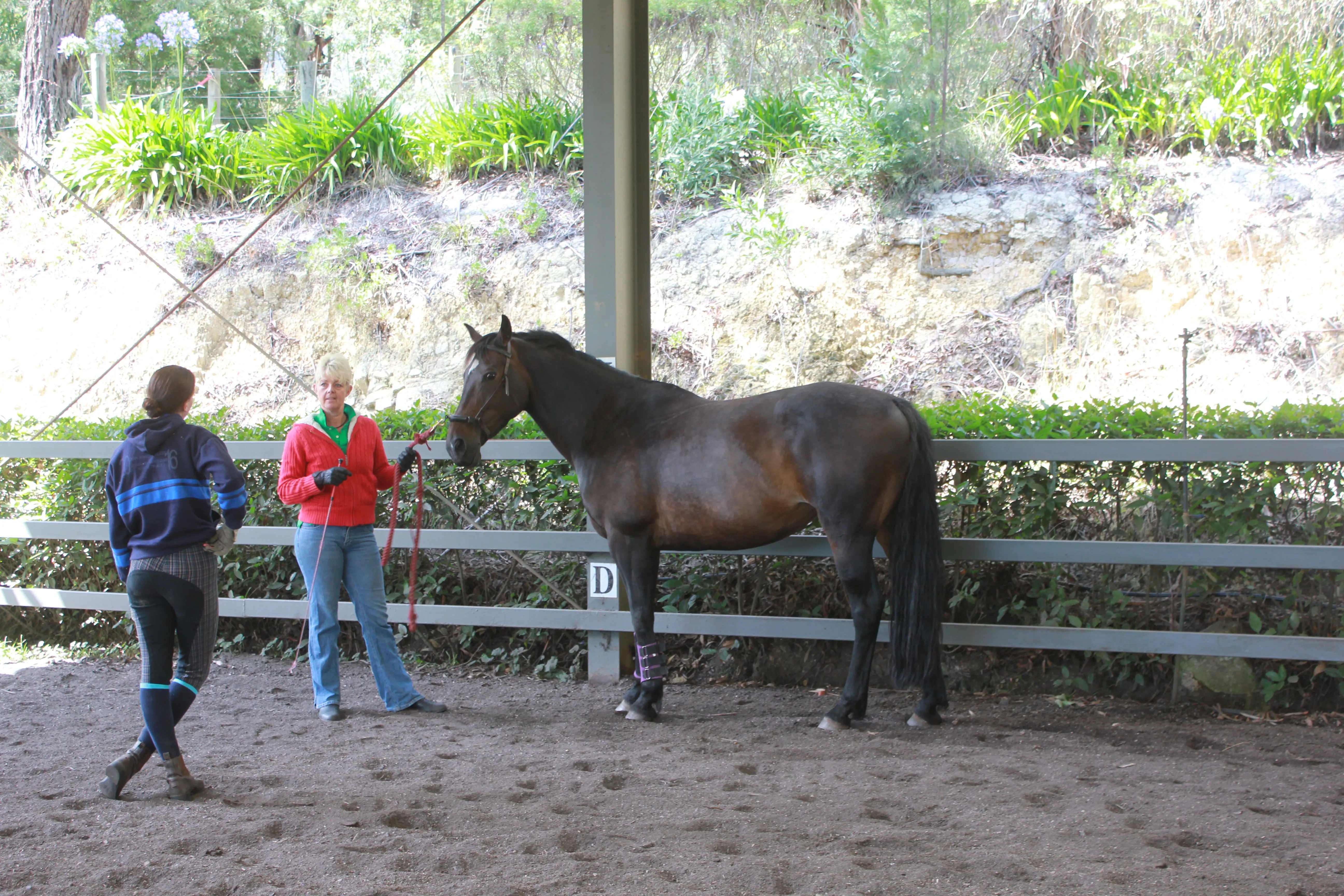
Horse training can be incredibly isolating. You spend a lot of time alone with your thoughts, your horses and your decisions. When things are going well, that’s fine. When things aren’t, it can get heavy quickly.
This is why I believe so strongly in having people to talk to in horse training.
Mentors. Friends. Family. Colleagues. Other horse people who understand the process.
Sometimes I need technical advice. Sometimes I just need reassurance that what I’m seeing is normal. And sometimes I just need to say, This is harder than I expected and hear someone say, Yes — it actually is!! I’m here with you.
Perspective can stop a temporary setback from becoming a long-term problem.
The Role of Mentors in Navigating Setbacks
A good mentor doesn’t panic when you hit a rough patch.
They’ve seen it before — in dozens of horses, across years of training. They understand that horse development is layered, not linear.
Sometimes a mentor will tell you to change something. Other times, they’ll tell you to do less, wait and let the horse catch up physically or mentally.
Both are valuable. And both are much easier to hear when you trust the person giving the advice.
Friends and Family Keep You Grounded
Not everyone in your support circle needs to understand horse biomechanics or training theory.
Friends and family are often the ones who remind you why you started. They notice when you’re exhausted, frustrated, or carrying pressure you’ve normalised. They help separate your identity from your horse’s performance.
Because here’s the truth:
**You are not your last ride.
**Your worth isn’t measured by how quickly a horse progresses.
Horses Learn the Most During the Hard Parts
This may sound hard but…. Horses do their best when our instructions are timely and clear but we are learning too.
They learn when we can help them think it through, opening a window or a bi-fold door for them to find their way through. That space — between comfort and knowledge — is where true understanding develops.
Many times, the biggest training breakthroughs come after a setback. Strength catches up. Balance improves. Something finally clicks for us, enables us to explain clearer to our horses.
If we rush, force or fight through those moments, we miss the opportunity they offer.
Playing the Long Game in Horse Training
Good horse training is about the long game.
It’s not about ticking boxes or sticking to timelines. It’s about producing horses that are physically sound, mentally confident and capable of handling their jobs over time.
Setbacks teach patience. They sharpen feel. They improve timing. They humble us — and that’s not a bad thing.
The horses that have taught me the most weren’t the easy ones. They were the ones that made me slow down, reassess and become a better horse person.
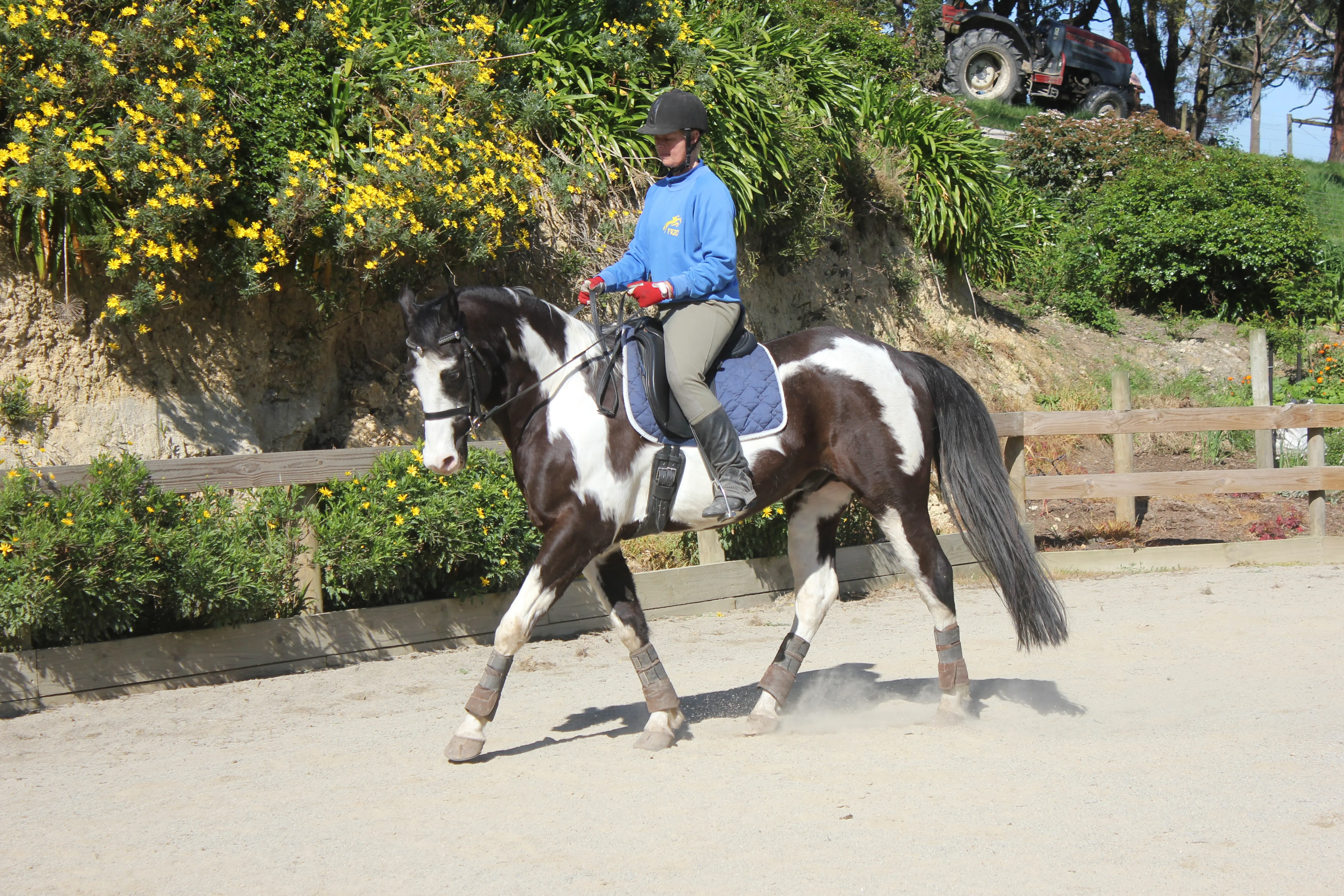
Changing the Way I Think About Setbacks
Now, when things don’t go to plan, I try to reframe the situation.
Instead of asking, Why is this going wrong?
I ask, What does the horse need right now?
Instead of thinking, I’ve ruined this,
I think, What can I learn from this phase?
That shift doesn’t make setbacks disappear — but it makes them useful.
Final Thoughts on Setbacks in Horse Training
If you’re going through a setback with a horse right now, you’re not alone.
Every rider, trainer and horse person who has stuck with this long enough has been exactly where you are. Talk to someone you trust. Strip things back. Listen carefully to the horse in front of you.
There is no real development in horse training without setbacks.
They aren’t a sign you’re doing it wrong. They’re a sign you’re actually doing the work.
If you stay open, patient and willing to learn — they’ll shape you into a better horse person than the easy days ever could.