
Leadership Leads to Partnership:
Building Mutual Respect Through Clear, Kind, Structured Horse Training
Leadership Leads to Partnership: Building Mutual Respect Through Clear, Kind, Structured Horse Training
Jul 31, 2026
In every meaningful horse and rider relationship, partnership is the dream. It is the feeling we all hope for when we walk into the arena, swing into the saddle, and take up the reins. That beautiful moment when the horse is not simply obeying, and the rider is not simply controlling, but both are communicating in a quiet, confident conversation.
At Avoca Park Equestrian, and through Dressage in Lightness Online, this is the heart of what we teach. True partnership does not happen by accident. It is not created through force, emotional reactions, guesswork or endless circles hoping things will improve. Partnership is built through leadership, structure, clarity, consistency and respect.
Leadership leads to partnership.
This may sound simple, but in horse training, simple does not always mean easy. Horses need us to be clear. They need us to explain what we want in a way they can understand. They need boundaries that are fair, outcomes that are predictable and training systems that make sense. When we provide that, the horse can relax, learn and eventually offer us something far more valuable than obedience.
They offer trust.
What Leadership Really Means in Horse Training
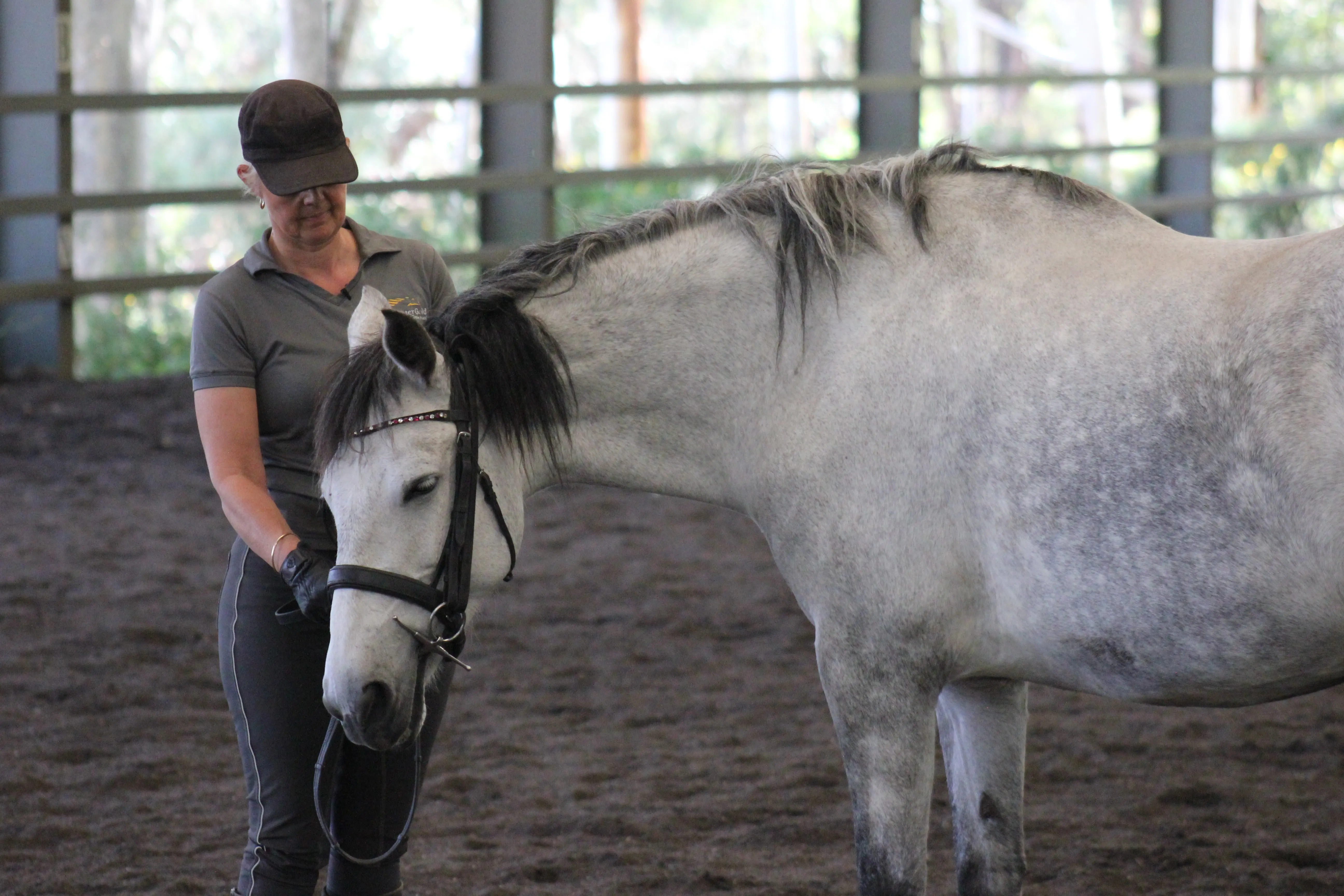
Leadership in equestrian training is often misunderstood. Some people hear the word leadership and imagine dominance, pressure or making the horse do what it is told. That is not the kind of leadership that creates a willing dressage horse, a safe riding horse or a genuine partnership.
Good leadership is not emotional. It is not reactive. It is not about winning an argument with a 500 kilogram animal.
Good leadership is calm, clear, fair and consistent.
A good leader says to the horse, “This is the question. This is the answer. This is the boundary. This is the release. You are safe here.”
Horses are incredibly perceptive. They notice the smallest changes in our body, our breathing, our tension, our timing and our intention. When we become emotional in training, whether through frustration, fear, impatience or excitement, we often become unclear. Our aids change. Our timing slips. Our pressure becomes inconsistent. Our expectations become muddy.
The horse is then left trying to work out what we mean while also managing our emotional energy.
That is not fair education.
At Dressage in Lightness Online, the methodology is based on helping riders become clear educators. We are not just training horses. We are training people to communicate with horses in a way that is logical, progressive and light. This is where classical dressage principles, correct groundwork, rider awareness and horse psychology come together.
Structure Creates Safety
Horses are not looking for chaos. They are not looking for emotional drama. They are not looking for a rider who changes the rules every 5 minutes.
Horses feel safest when the structure is clear.
A well rounded training structure gives the horse a reliable framework. It helps the horse understand where its body should be, how to respond to the aids, when pressure will be released, and what outcome is being asked for. This does not mean the training becomes rigid or mechanical. Quite the opposite. Good structure creates freedom.
When the foundation is strong, the horse can become more expressive. When the boundaries are clear, the horse can become more confident. When the aids are understandable, the horse can respond with lightness.
This is especially important in dressage training. Dressage is not meant to be a performance of control. It is meant to be the progressive gymnastic development of the horse. The horse becomes stronger, more balanced, more supple and more capable of carrying the rider with ease.
But without structure, dressage can become confusing. Riders may focus on movements before the horse understands the basics. They may chase a frame instead of developing balance. They may use more rein when the real issue is lack of forward energy, straightness or understanding.
A clear structure protects the horse from confusion.
A sound training system should include:
- Ground manners and personal space
- Relaxation and rhythm
- Clear forward response
- Understanding of the basic aids
- Straightness and balance
- Suppleness through the body
- Correct contact
- Transitions that improve attention and strength
- Progressive lateral work
- Lightness, self carriage, and willing expression
When these elements are developed gradually, the horse is not overwhelmed. Each step prepares the next. Each lesson has a purpose. Each question has a clear answer.
Boundaries Are Not Unkind
One of the biggest mistakes loving horse owners make is confusing kindness with a lack of boundaries.
We love our horses. We want them to feel happy, safe and understood. That is beautiful. But love without leadership can create anxiety, pushiness, resistance or insecurity. A horse that does not understand boundaries is not truly free. It is often unsure.
Boundaries are not punishment. Boundaries are information.
A boundary tells the horse, “This is where your body belongs.”
“This is how you respond to my space.”
“This is what the aid means.”
“This is the behaviour that brings comfort and release.”
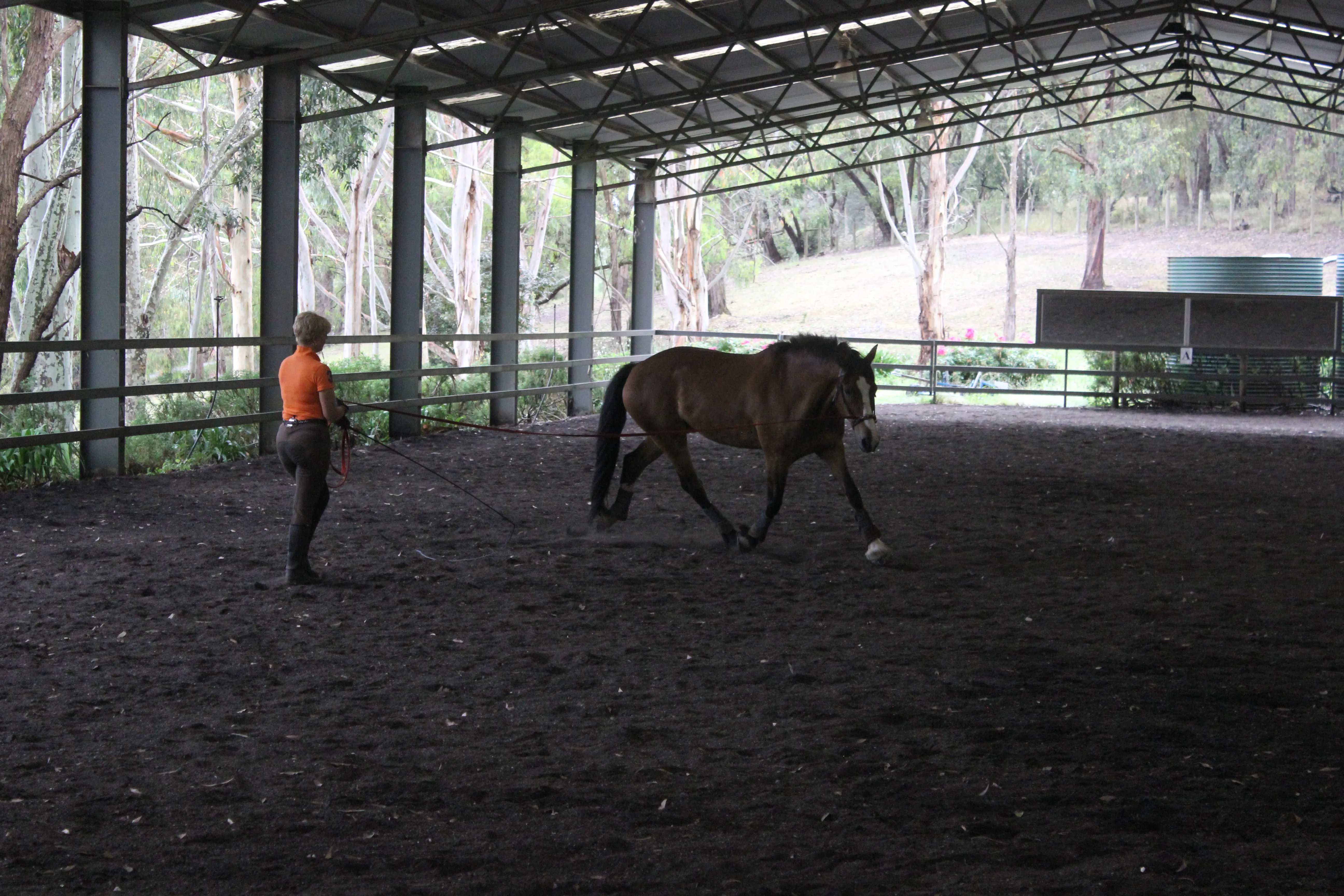
For example, if a horse walks into your space on the ground, it may seem harmless at first. Perhaps it is affectionate. Perhaps it is distracted. Perhaps it has never been taught otherwise. But if the boundary is not clarified, the behaviour can grow. The horse may become pushy, unsafe or inattentive.
A clear boundary, taught calmly, gives the horse an understandable outcome. Step into my space uninvited, and I will ask you to move away. Respect my space, and there is quietness, comfort and peace.
The same is true under saddle. If the rider applies a leg aid and the horse ignores it, the answer is not to become angry. The answer is to clarify the aid. Ask lightly. If there is no response, back it up clearly. The moment the horse responds, release and reward.
That is leadership.
Not nagging. Not kicking every stride. Not pulling harder. Not getting cross. Just a clear question, a clear correction if needed and a clear release when the horse finds the answer.
Training Without Emotion
This is one of the most powerful shifts a rider can make.
Training without emotion does not mean training without feeling. It does not mean becoming cold, robotic or disconnected. It means we do not allow our emotional reactions to drive our aids, our decisions or our corrections.
Horses do not need us to bring yesterday’s stress into today’s ride. They do not understand that we are frustrated because we had a difficult morning or disappointed because the canter transition was better last week or embarrassed because someone is watching.
They only experience what we present in the moment.
If we react emotionally, the horse may associate the work with tension. A sensitive horse may become anxious. A dull horse may shut down. A clever horse may learn to avoid. A green horse may simply become confused.
Good training requires emotional discipline from the rider.
Before correcting the horse, we should ask:
Did I explain clearly?
Was my timing fair?
Is the horse physically capable of the answer?
Is the horse mentally ready for this question?
Did I release at the right moment?
Am I correcting the horse, or am I reacting from frustration?
That last question matters.
There is a world of difference between a fair correction and an emotional reaction. A fair correction is brief, clear, proportionate and followed by release. An emotional reaction tends to be late, excessive, unclear and often followed by tension.
The horse learns from timing, not from our opinion.
This is why the rider’s self awareness is such an important part of dressage education. The more aware we become of our body, breath, hands, seat, legs and thoughts, the better we can support the horse.
Intrinsically Explaining the Lesson
Every horse is different. Some horses need more repetition. Some need more confidence. Some need more energy. Some need more relaxation. Some need the question broken down into smaller pieces.
To intrinsically explain a lesson to the horse, we must understand not only what we want, but how the horse is likely to interpret what we are asking.
If we want a horse to move away from the leg, we must teach the meaning of the leg. If we want the horse to accept the contact, we must create a contact worth accepting. If we want the horse to become light, we must stop giving it something heavy to lean on. If we want the horse to be straight, we must understand where it is crooked. If we want collection, we must first develop strength, balance and confidence.
Horses do not learn well from vague wishes.
They learn from clear, repeated, well timed information.
This is where good equestrian coaching becomes invaluable. At Avoca Park, the aim is not just to tell a rider what to do, but to help them understand why they are doing it. When riders understand the reason behind the exercise, the training becomes more intelligent. They stop riding movement to movement and start riding conversation to conversation.
For example, a simple transition from walk to trot can teach many things. It can improve attention, forward response, balance, straightness, contact and rider timing. But only if it is ridden with awareness.
Did the horse step forward from the leg?
Did the rhythm stay pure?
Did the contact remain elastic?
Did the rider stay balanced?
Did the horse rush, brace, drift, or hesitate?
Was the release immediate when the horse answered correctly?
The magic is in the detail.
Dressage in lightness is not about doing less. It is about doing what is needed with greater precision, better timing and less unnecessary force.
Mutual Respect Is Developed, Not Demanded
Respect is another word that is often misunderstood in horse training. Some people talk about respect as if it means the horse should simply obey. But genuine respect between horse and rider is mutual.
The horse learns to respect the rider’s aids, space and leadership. The rider learns to respect the horse’s nature, body, emotions, limitations and learning process.
Mutual respect grows when the horse realises the rider is consistent and fair. The horse begins to think, “I understand this person. They make sense. They listen. They do not trap me. They do not surprise me with unfair pressure. They show me the answer.”
That is when the relationship changes.
The horse becomes more mentally available. The rider becomes more trusted. The work becomes more harmonious. The horse starts to seek the answer rather than avoid the question.
This is the foundation of partnership.
Not sentimentality. Not bribery. Not control. Partnership.
The ultimate horse is not one that has been forced into shape. It is one that understands the work, trusts the rider and has been developed physically and mentally to offer balance, energy, expression and lightness.
Partnership Is the Outcome of Correct Leadership
Partnership is not the starting point. It is the outcome.
We cannot expect the horse to offer partnership if we have not offered leadership. We cannot expect lightness if we ride with confusion. We cannot expect trust if our boundaries change every day. We cannot expect willingness if our training is driven by emotion.
But when we lead well, everything changes.
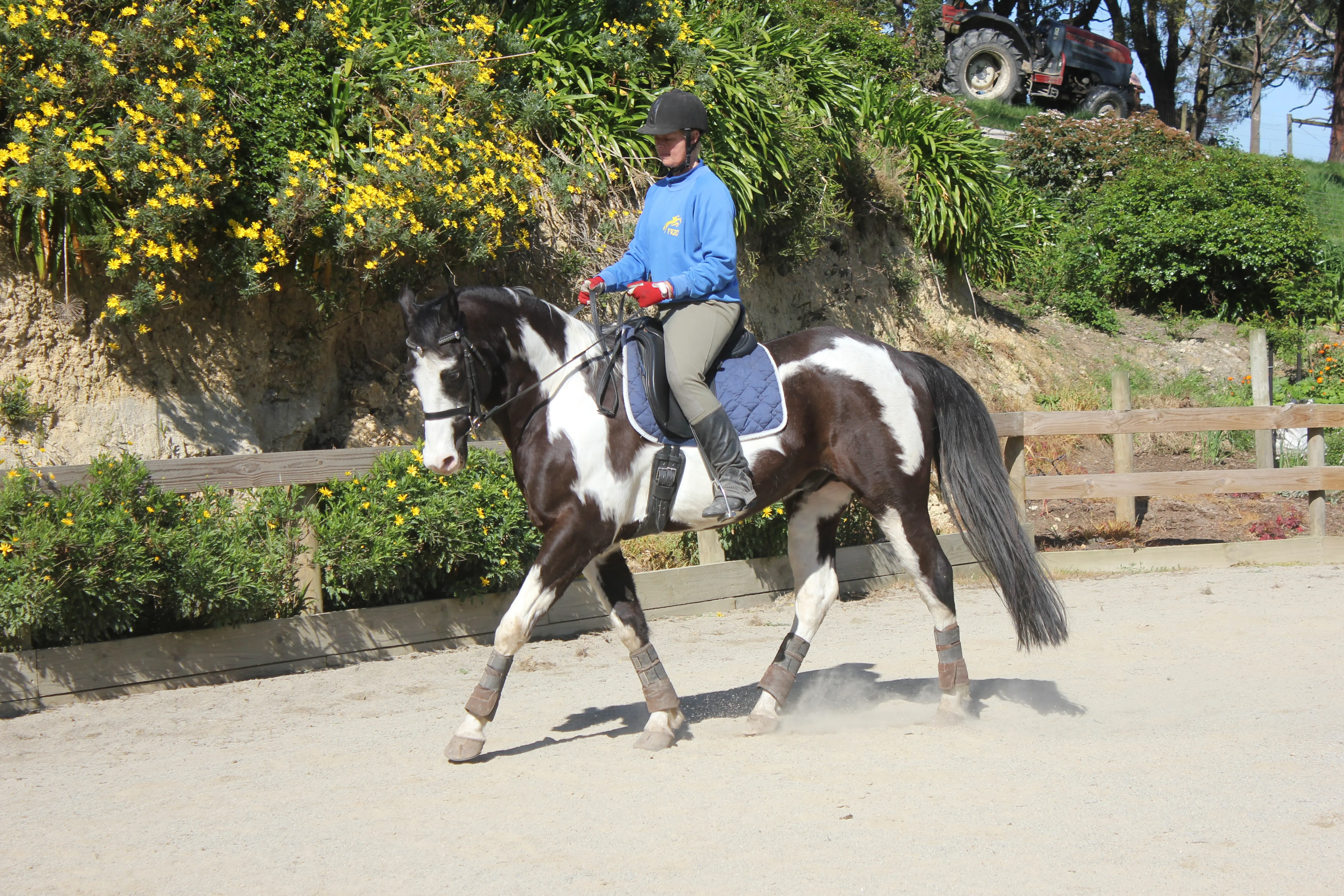
The horse begins to understand the language. The rider becomes quieter. The aids become lighter. The body becomes stronger. The mind becomes calmer. The relationship becomes more respectful.
This is when riding becomes deeply rewarding.
There is something truly special about feeling a horse soften, breathe and respond because it understands. There is something inspiring about knowing that the partnership was not bought, forced or rushed. It was built, step by step, through correct education.
At Avoca Park, this is the work we believe in. Through Dressage in Lightness Online, this is the education we aim to share with riders who want more than tricks, tension or short term results. We want riders to understand the values and methodology behind true lightness.
Because lightness is not just in the hand.
It is in the mind.
It is in the body.
It is in the timing.
It is in the relationship.
It is in the leadership that creates partnership.
Final Thought
If you want a better partnership with your horse, begin by becoming a better leader. Not louder. Not stronger. Not more emotional. Clearer.
Create structure. Set fair boundaries. Explain the lesson in a way your horse can understand. Reward the try. Correct without resentment. Repeat with patience. Build the body. Educate the mind. Protect the trust.
The partnership you dream of is not found at the end of a shortcut. It is developed through every thoughtful moment you spend helping your horse understand.
Leadership leads to partnership.
And when done with clarity, kindness, and consistency, that partnership becomes one of the most beautiful conversations you will ever have.