
Head and Neck Position in Horses:
A By-Product of True Balance, Not a Manufactured Frame
Head and Neck Position in Horses: A By-Product of True Balance, Not a Manufactured Frame
Feb 25, 2026
If there’s one thing I wish more riders understood, it’s this:
The head and neck position of a horse is not something you put somewhere.
It’s something that occurs when the body underneath is organised.
Across every discipline — dressage, eventing, showjumping, racing, endurance, pleasure riding — the same rule applies. A beautiful outline, a relaxed poll, a neck that telescopes forward out of the wither… that is the by-product of longitudinal balance, lateral balance and ultimately diagonal balance.
Without those three pieces developing properly, the horse will always need to use their head and neck as a balancing pole just to stay upright.
And no gadget in the world can shortcut that.
Let’s break it down.
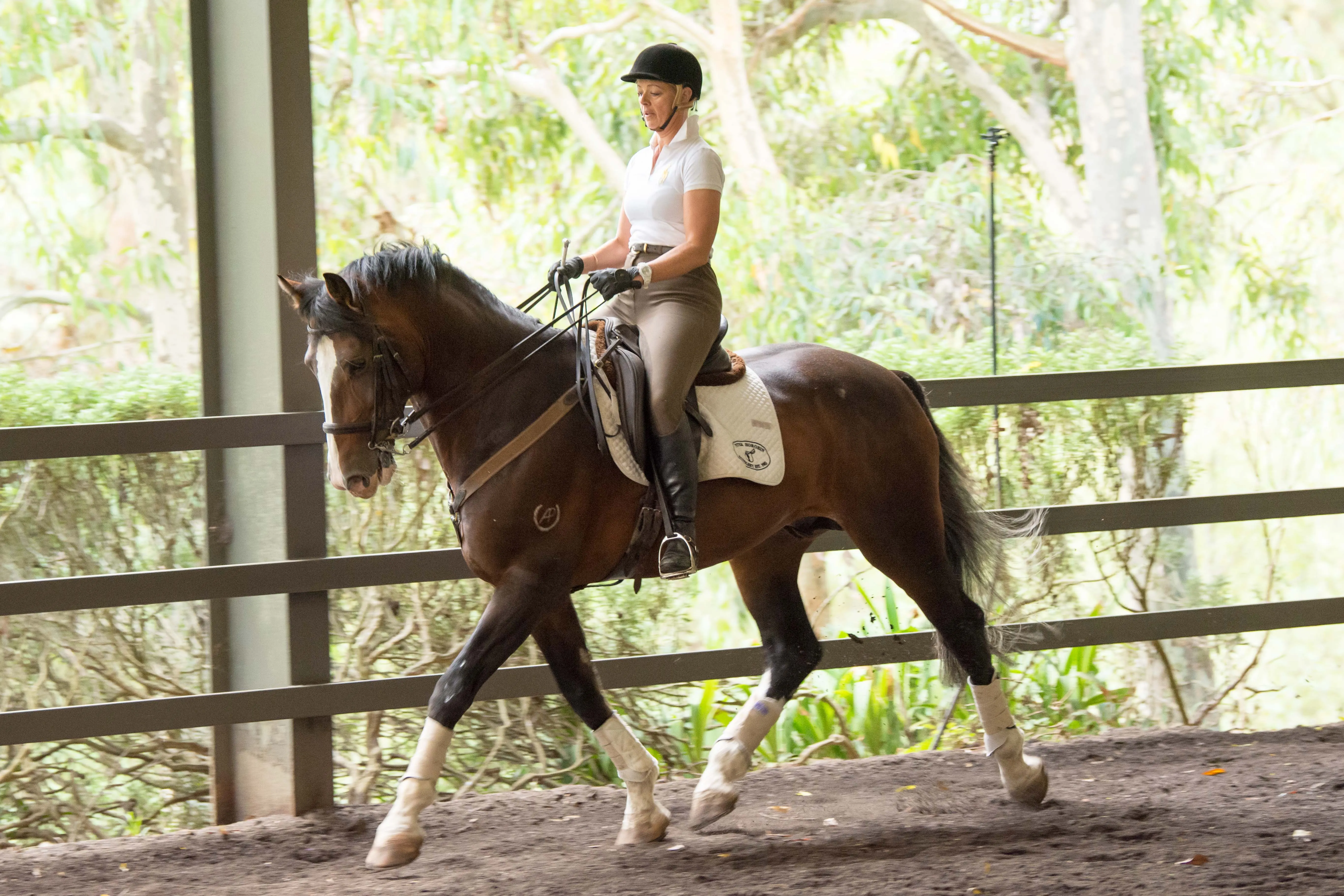
The Three Balances That Create the Frame
When we talk about “frame” or “head carriage”, we’re really talking about biomechanics.
The head and neck are simply the visible end of what’s happening through the spine, ribcage and limbs.
1. Longitudinal Balance – Front to Back Organisation
Longitudinal balance is the horse’s ability to balance from hind leg to forehand.
In the beginning — especially with young or newly backed horses — they are naturally downhill. They carry weight on the forehand. The neck often comes up or tightens because the forelegs are doing too much.
When longitudinal balance improves:
* The hind legs step more underneath the body
* The pelvis begins to lower and flex
* The thoracic sling lifts the base of the neck
* The wither rises
And suddenly, without pulling, the neck begins to reach forward.
Not because you “put it there”.
But because the body underneath can now support it.
2. Lateral Balance – Left and Right Symmetry
Every horse is crooked.
Just like us, they have a dominant side. One shoulder falls out. One hind leg pushes stronger. One ribcage bulges.
If lateral balance isn’t developed:
* The horse leans on one rein
* Falls through one shoulder
* Braces through one side of the neck
* Tilts the poll
That “crooked” head carriage riders tries to fix with inside rein pressure? It’s rarely about the head.
It’s about the ribcage not being evenly organised behind the shoulders.
When lateral balance improves:
* The ribcage sits more centrally
* Both shoulders lift evenly
* The contact becomes even in both hands
* The neck lengthens straight out of the wither
And here’s the important part — the neck doesn’t shorten and tuck.
It telescopes.
That forward, elastic, reaching feeling is the result of symmetry.
3. Diagonal Balance – The Ultimate Organisation
This is where things get really interesting.
Horses move in diagonal pairs. Every trot step is a diagonal conversation between hind leg and opposite foreleg. Every canter stride depends on diagonal coordination.
If diagonal balance isn’t there:
* The horse rushes
* The rhythm becomes uneven
* The neck tightens or lifts abruptly
* The contact feels inconsistent
Diagonal balance is what gives us:
* Suspension in trot
* Jump bascule
* Balanced transitions
* Uphill canter
* Efficient gallop in racehorses
* Sustainable rhythm in endurance horses
When diagonal balance is developed correctly, the base of the neck lifts because the thoracic sling is functioning properly. The shoulders free up. The back swings.
And this is where that beautiful telescoping of the neck happens.
Not pulled in.
Not held down.
But reaching.
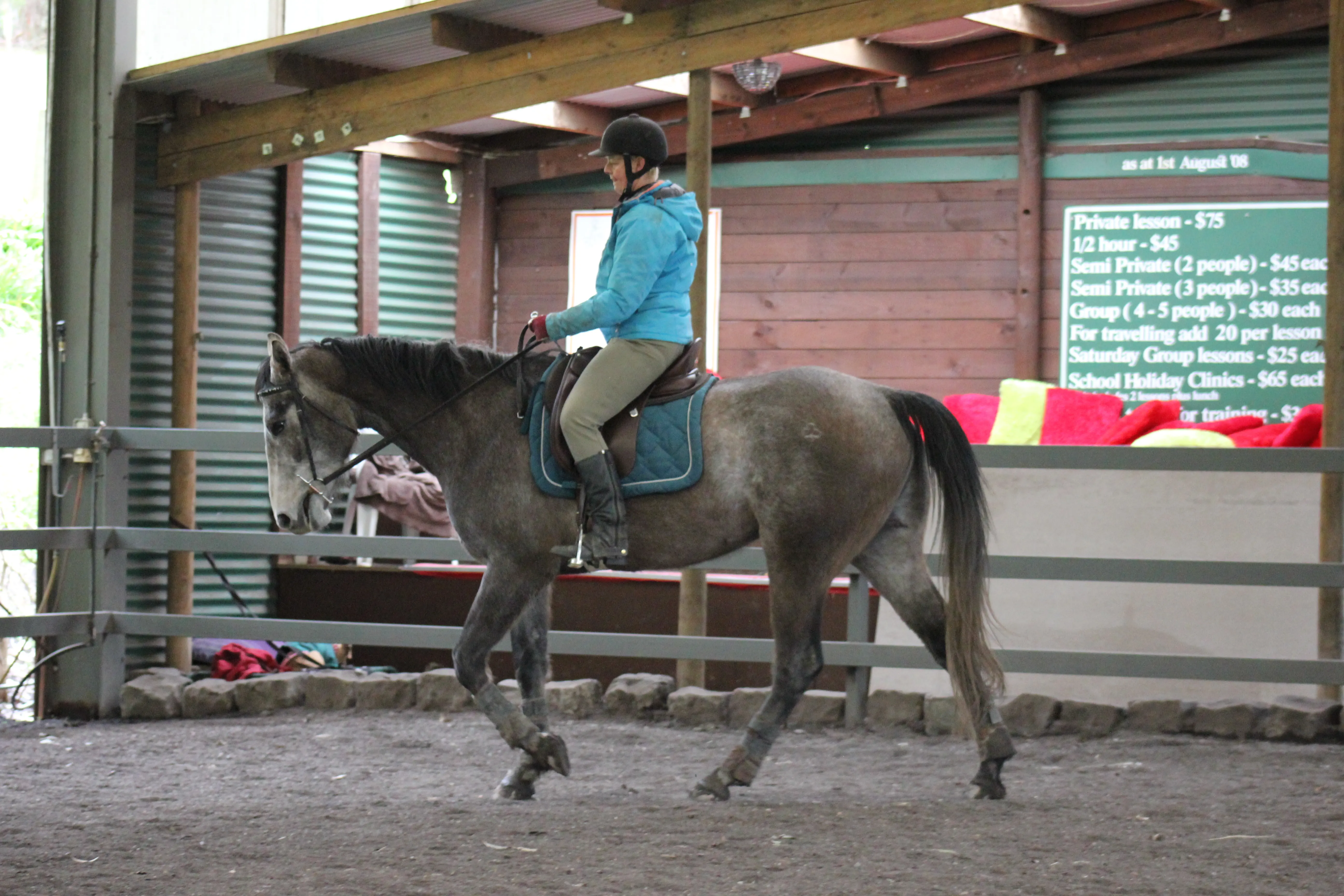
The Telescoping Neck – What It Really Is
You’ll know it when you feel it.
The horse takes the contact forward.
The wither feels like it rises into your hands.
The rein contact becomes alive but light.
The neck lengthens forward and slightly upward out of the shoulder.
That’s telescoping.
It’s the neck extending from a lifted base, not collapsing from the poll.
It feels like the horse is carrying you.
And it is.
This is not discipline-specific. I see it in:
* Dressage horses in collected work
* Eventers in balanced cross-country canter
* Showjumpers approaching a fence
* Racehorses when they truly sit and push
* Endurance horses moving economically
* Leisure horses finally feeling easy and soft
The posture is a result, not a request.
Why Horses Use Their Head and Neck as a Balancing Pole
If the body isn’t organised, the horse must survive.
To stay upright when:
* The hind legs trail out behind
* One shoulder collapses
* The diagonal pairing is weak
* The back is tight
The horse lifts, twists or braces the neck.
The head and neck become the balancing pole.
It’s not disobedience.
It’s physics.
If we then try to “fix” the head position without addressing the underlying imbalance, we’re simply removing the horse’s ability to balance.
And that’s where artificial aids often enter the picture.
Artificial Aids and Head Carriage
Side reins.
Draw reins.
Market Harboroughs.
Pessoa systems.
Lunging attachments clipped to different rings to influence head position.
I understand why they’re tempting.
They appear to “solve” the problem quickly.
But here’s the reality:
If the horse hasn’t developed longitudinal, lateral and diagonal balance, these aids can only:
* Restrict
* Contain
* Mask
* Or compress
They cannot create thoracic lift.
They cannot create diagonal coordination.
They cannot build true hindquarter strength.
What they often do instead is:
* Force the neck shorter before the base is lifted
* Increase tension through the underside muscles
* Reduce natural balancing strategies
* Create a false outline
And the horse still remains asymmetrical underneath.
A pretty picture.
An unchanged body.
That’s not training. That’s presentation.
Discipline Does Not Change the Rule
It doesn’t matter if you ride:
* Dressage
* Eventing
* Showjumping
* Racing
* Endurance
* Pony club
* Pleasure
Balance is balance.
A racehorse that cannot organise diagonally will run flat and heavy.
A showjumper without lateral balance will drift.
A dressage horse without longitudinal strength will sit behind the vertical.
An endurance horse without symmetry will fatigue early.
A leisure horse without balance will feel heavy and inconsistent.
The head and neck position simply reflect what’s happening underneath.
ALWAYS!
The Feeling We’re All Chasing
There is nothing — and I mean nothing — quite like the moment a horse truly takes your hand forward.
Not leaning.
Not dropping.
Not curling.
But reaching.
The contact feels elastic.
The neck feels alive.
The wither feels like it’s rising up into your hands.
The back swings underneath you.
The hind legs feel connected to the bridle.
That feeling is the reward for patient development.
It’s the final beautiful position of the time it’s taken to create:
* Longitudinal balance
* Lateral balance
* Diagonal balance
It cannot be rushed.
But when it arrives, you don’t need gadgets.
You don’t need to hold.
You don’t need to manufacture anything.
The horse offers it.
Slow Development Creates Lasting Posture
In Australia especially, we often want practical outcomes. Something that works across disciplines and real-world riding.
Here’s the practical truth:
If you invest in balance development:
* Horses stay sounder
* They fatigue less
* They recover better
* They carry riders more comfortably
* They perform more consistently
* They develop real strength, not tension
The head and neck become soft because the body is strong.
That’s the difference.
Final Thoughts: Frame Is a By-Product, Not a Goal
The head and neck are the final chapter in the story.
Not the first sentence.
If you focus on:
* Building hind leg strength
* Improving ribcage organisation
* Developing diagonal coordination
* Creating lift at the base of the neck
* Encouraging forward reach, not backward restriction
The telescoping neck will come.
And when it does, it’s unmistakable.
It feels like harmony.
It feels like the horse is carrying themselves.
It feels like all the time you’ve invested in developing balance was worth it.
BECAUSE IT WAS!!
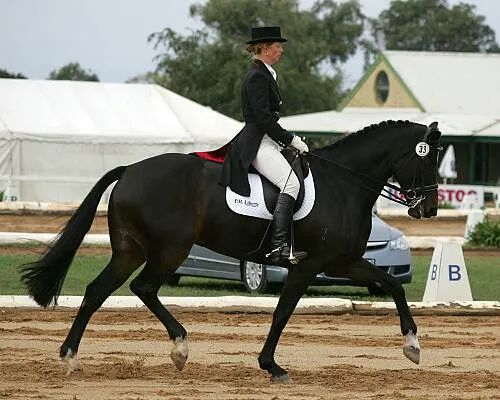
True head carriage isn’t created by the hands.
It’s earned through balance.
And when you feel that neck reach out of the wither and take your hand forward — you’ll know you’ve done the work properly.
#avocaparkequestrian #helpingpeoplelivetheirloveofhorses #HorseTraining #HorseBiomechanics #Straightness #BalancedHorse
#DressageTraining #EventingLife #Showjumping #RacehorseTraining
#EnduranceRiding #EquestrianEducation #AustralianEquestrian
#TrainTheBodyNotTheHead #SoundnessThroughBalance