
Corners, Corners, Corners:
Why the Arena Isn’t an Oval
Corners, Corners, Corners: Why the Arena Isn’t an Oval
Mar 05, 2026
Very early in my dressage lessons, I was told something that has stuck with me my entire career:
“If we were supposed to ride without corners, they would have made the arena an oval, not a rectangle.”
How true are those words?
From teaching a five-year-old on a lead rein, to coaching adult beginners, regular competition riders, and professionals like myself — one message never changes:
**Corners. Corners. Corners.**
It doesn’t matter whether you ride dressage, eventing, show horses, pony club mounts, or pleasure horses. If you school in an arena, the corners are not just there to turn you around. They are one of the most powerful training tools you have.
And in my opinion? There is nothing a corner cannot help.
Why Are Corners So Important in Horse Training?
The rectangular dressage arena is designed with purpose. Every corner is an opportunity to organise your horse and yourself.
In lower-level dressage tests, corners can literally win you marks. In higher levels, corners create the space required to produce the quality of movement needed for collected work, lateral movements and extensions.
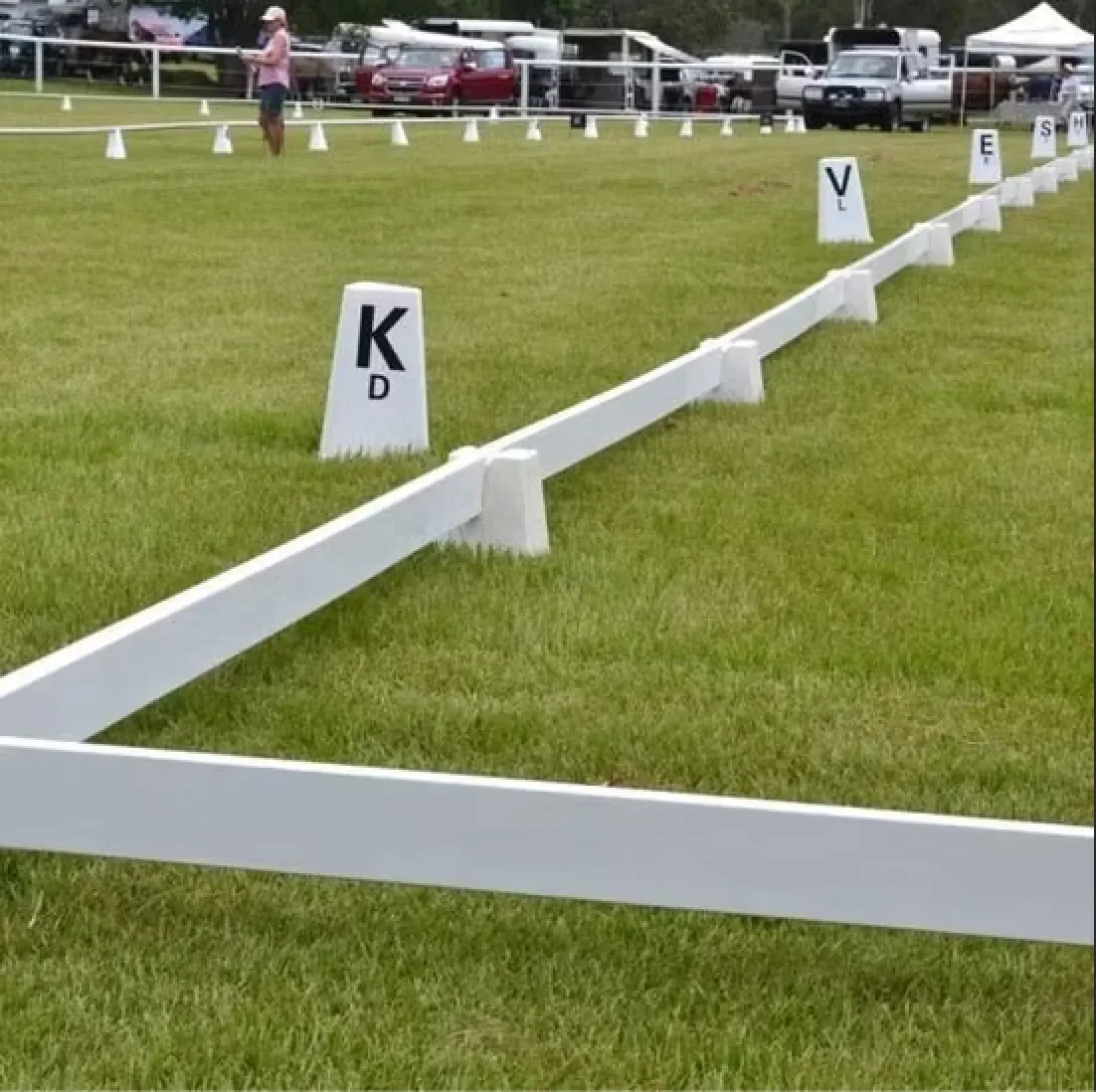
Every single exercise comes out of a corner:
* Lengthened strides
* Extended walk, trot and canter
* Shoulder-in
* Travers
* Half pass
* Simple changes
* Flying changes
If the corner is weak, rushed or unbalanced — the movement that follows will reflect it.
A good corner sets up success. A poor corner exposes holes in your training.
---
What a Corner Actually Does for the Horse
A corner is not just a turn. It is a controlled curve that influences:
**Lateral balance
**Longitudinal balance
**Strength
**Engagement
**Energy
**Power
**Control
When ridden correctly, a corner asks the horse to bend around the rider’s inside leg, step under with the inside hind leg and soften through the ribcage.
That is gymnastic work.
It develops the inside hind stepping toward the centre of gravity — which improves engagement and balance. It teaches the horse to carry weight behind rather than fall onto the forehand. It encourages suppleness without losing forward intention.
In other words, a corner is a mini training session every time you ride through one.
Corners and Balance (Lateral & Longitudinal)
Let’s talk balance.
When we speak about balance in horse training, we mean two key components:
1. Longitudinal Balance
Front to back. Is the horse carrying itself or leaning onto the forehand?
A well-ridden corner helps shift weight slightly back. It encourages the horse to rebalance before coming onto the next line. If your horse runs through the corner, falls out through the shoulder or leans in, they are telling you they are not truly balanced.
Corners are your chance to rebalance before asking for the next movement.
2. Lateral Balance
Side to side. Is the horse evenly between your reins and legs?
Corners reveal crookedness immediately. If the horse falls in, drops a shoulder, swings the quarters out or stiffens through the neck, you know exactly where your work lies.
Riding accurate, purposeful corners improves straightness — and straightness is directly linked to soundness and performance.
Corners at the Lower Levels: Where Tests Are Won
At Preliminary and Novice levels, judges are watching:
* Accuracy
* Geometry
* Balance
* Rhythm
* Connection
A rider who cuts corners loses more than just arena space. They lose preparation.
If you ride deep into the corner with correct bend and balance, you create:
* Better straight lines
* Smoother transitions
* More expressive lengthened strides
That simple act of using the full corner can improve marks significantly.
I have seen riders move up the leaderboard simply because they stopped cutting corners and started riding their lines properly.
It sounds basic — but it works.
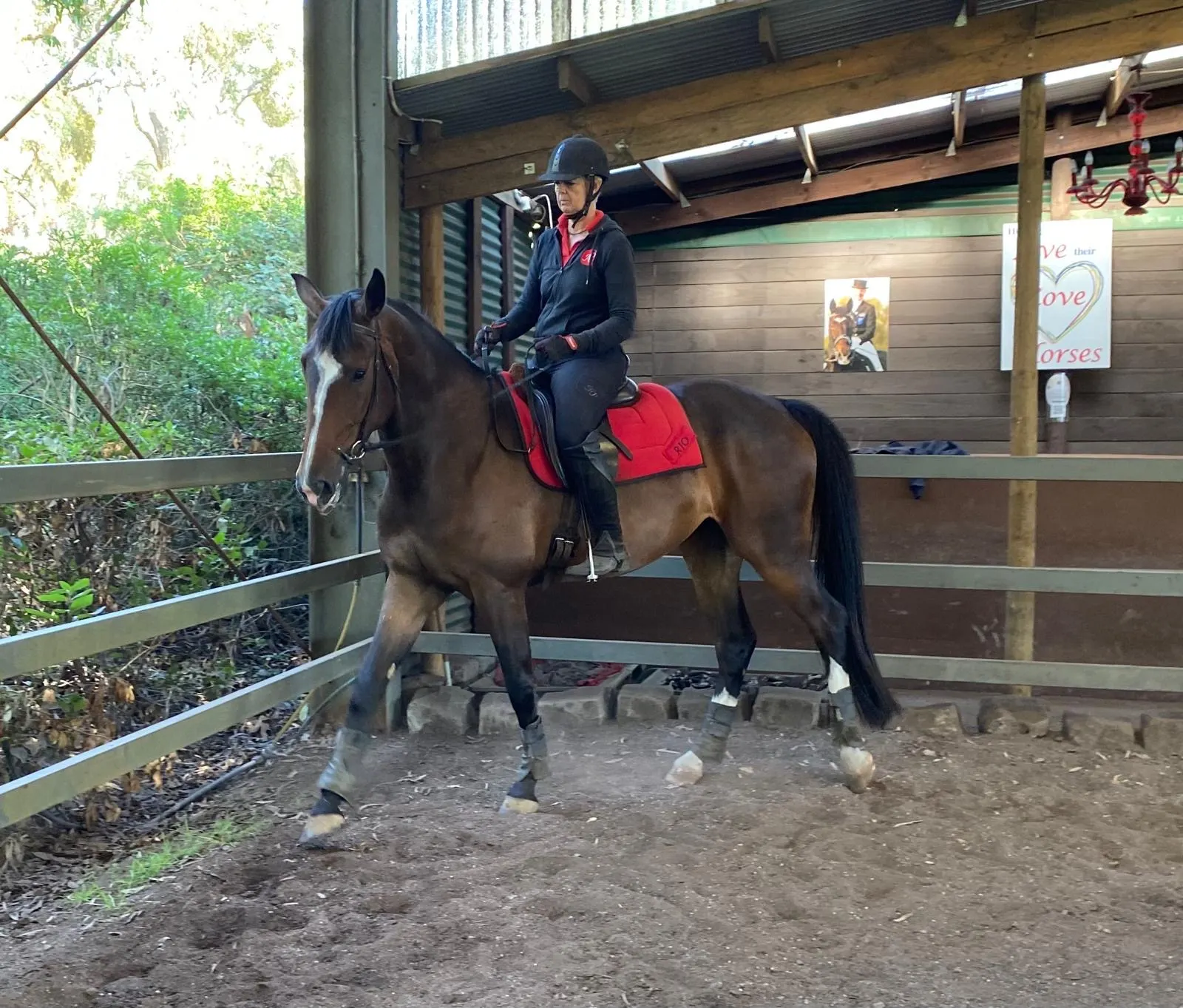
Corners at the Higher Levels: Creating Space for Expression
At Medium, Advanced and beyond, corners are not just about tidiness. They are about preparation and power.
Before you ride:
* Half pass
* Travers
* Shoulder-in
* Extended trot
* Extended canter
You need space to organise the horse.
The corner is where you:
* Rebalance
* Increase collection
* Establish bend
* Create engagement
* Store energy
You cannot produce expressive, uphill movement without preparation. The corner becomes the place where the horse engages and prepares to move into the exercise.
Without the corner, the exercise becomes flat and rushed.
Corners Build Strength and Power
When ridden properly, corners function like strength training for your horse.
They:
* Strengthen the inside hind
* Improve core stability
* Develop ribcage flexibility
* Increase carrying power
Think of it like a controlled gym exercise. The horse has to step under, lift through the wither and stay supple while maintaining forward intent.
Repeated, correct corner work builds the muscles required for:
* Collection
* Self-carriage
* Suspension
* Elevated movement
It’s conditioning without gadgets. Just correct riding.
Corners Help Every Exercise
Let’s break it down.
Lengthened and Extended Paces
A good extension comes from amazing balance. You re-balance in the corner, then allow the stride to lengthen on the line.
No preparation = no quality extension.
Shoulder-In
The corner establishes bend. From that bend, you can then bring the shoulders off the track, with the outside fore inline with the inside hind, while maintaining the same positioning.
Travers
The corner helps you position the horse with correct bend before asking the quarters in.
Half Pass
Engagement and bend begin in the corner. Without them, half pass becomes sideways drifting rather than controlled, balanced movement.
Every single one of these movements is made easier — and better — by a correctly ridden corner.
Corners Improve the Rider
It’s not just about the horse.
Corners improve riders dramatically.
They require:
* Body awareness
* Co-ordination
* Timing
* Control
* Organisation
The rider must:
* Sit evenly
* Apply inside leg correctly
* Support with outside rein and leg
* Stay balanced through the turn
If a rider collapses a hip, tips forward, pulls inside rein, or loses leg contact — the corner will expose it immediately.
I teach riders as young as five or six to ride proper corners. Not because I expect perfection — but because learning to organise their bodies early creates better habits for life.
For adult beginners, corners teach structure and planning. For experienced riders, they refine subtle aids and precision.
There is no level where corners are not relevant.
Common Mistakes in Corners
Let’s be honest — most riders without being reminded:
* Cut the corner
* Overbend the neck
* Lose impulsion
* Let the horse fall in
* Or rush through it
A correct corner is not just pulling the head around. It is riding around the inside leg and controlling with the outside rein, maintaining forward rhythm and balance.
The horse should feel like it is turning around your inside leg — not just turning its head.
---
Training Tip: Ride the Corner Like a 10 Metre Circle
If you struggle with corners, start by thinking of each one as part of a 10 metre circle. Then progressively make it smaller and smaller.
*Visualise the curve.
*Maintain the bend.
*Keep the rhythm.
*Feel the inside hind stepping under.
Suddenly, the corner becomes purposeful.
Corners and Straightness
Straightness doesn’t just happen on straight lines.
Straightness is developed through correct bending work. If your horse can bend evenly left and right, stay balanced in corners and maintain alignment — straight lines become honest.
Crooked horses cut corners. Balanced horses use them.
That’s why corners are directly linked to:
* Soundness
* Injury prevention
* Performance longevity
Correct work strengthens evenly. Crooked work overloads one side.
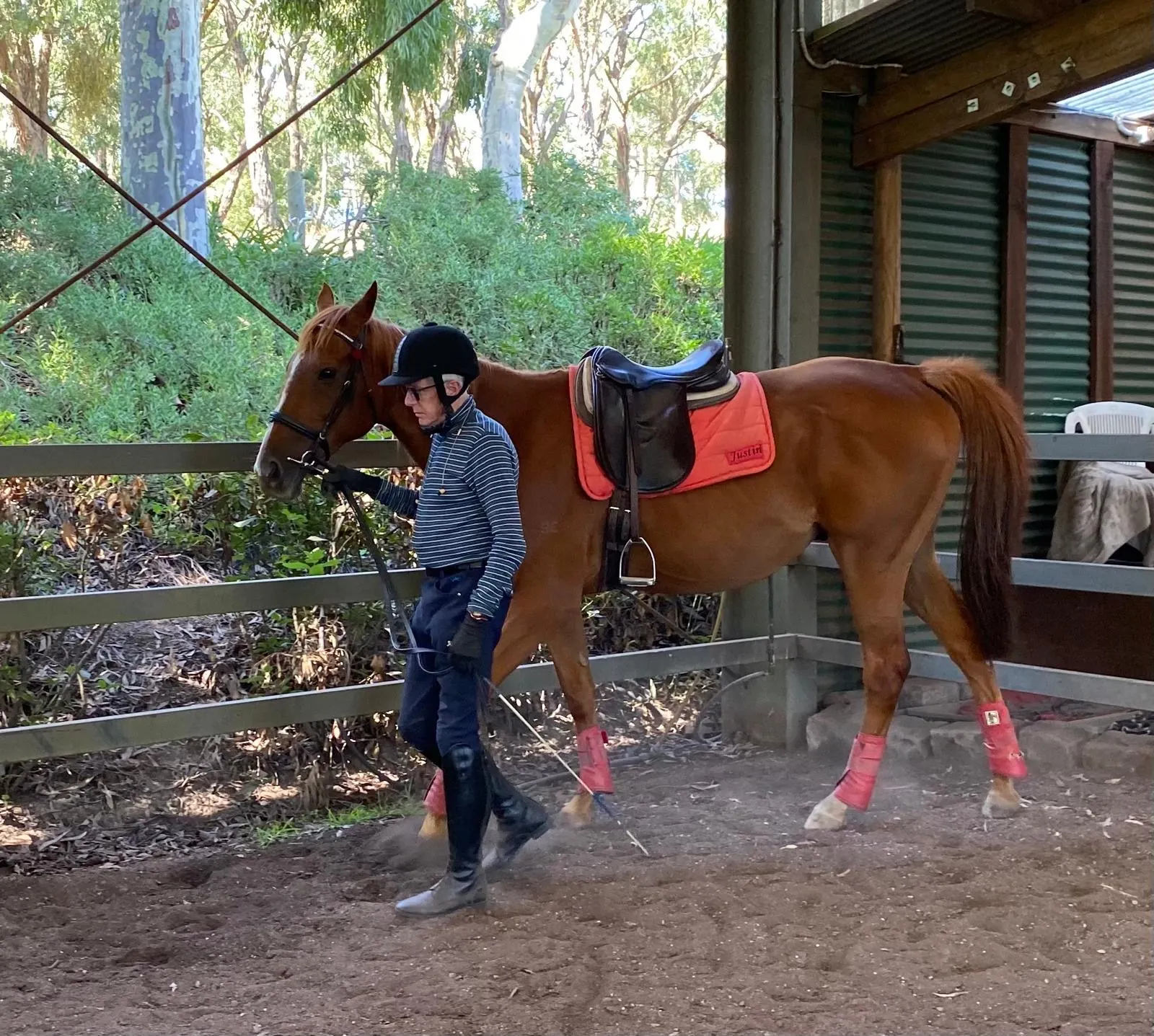
Corners in Everyday Schooling
You don’t need to be riding a dressage test to benefit from corners.
Every schooling session should include mindful corner riding:
* During warm-up
* Between transitions
* Before canter departs
* After lengthened work
It becomes part of your system. A rhythm of organise, rebalance, proceed.
Over time, your horse begins to anticipate that the corner means regroup and prepare.
That is educated training.
The Bigger Picture
That one simple sentence — “If we were supposed to ride without corners, they would have made the arena an oval” — holds so much truth.
The rectangle is not accidental.
It is a training design that encourages:
* Balance
* Straightness
* Suppleness
* Strength
* Engagement
* Precision
From the smallest pony to the Grand Prix horse, corners matter.
From the child just learning to steer, to the professional refining piaffe and passage — corners matter.
If you improve your corners, you improve your riding.
If you improve your corners, you improve your horse.
There truly is nothing a corner cannot help.
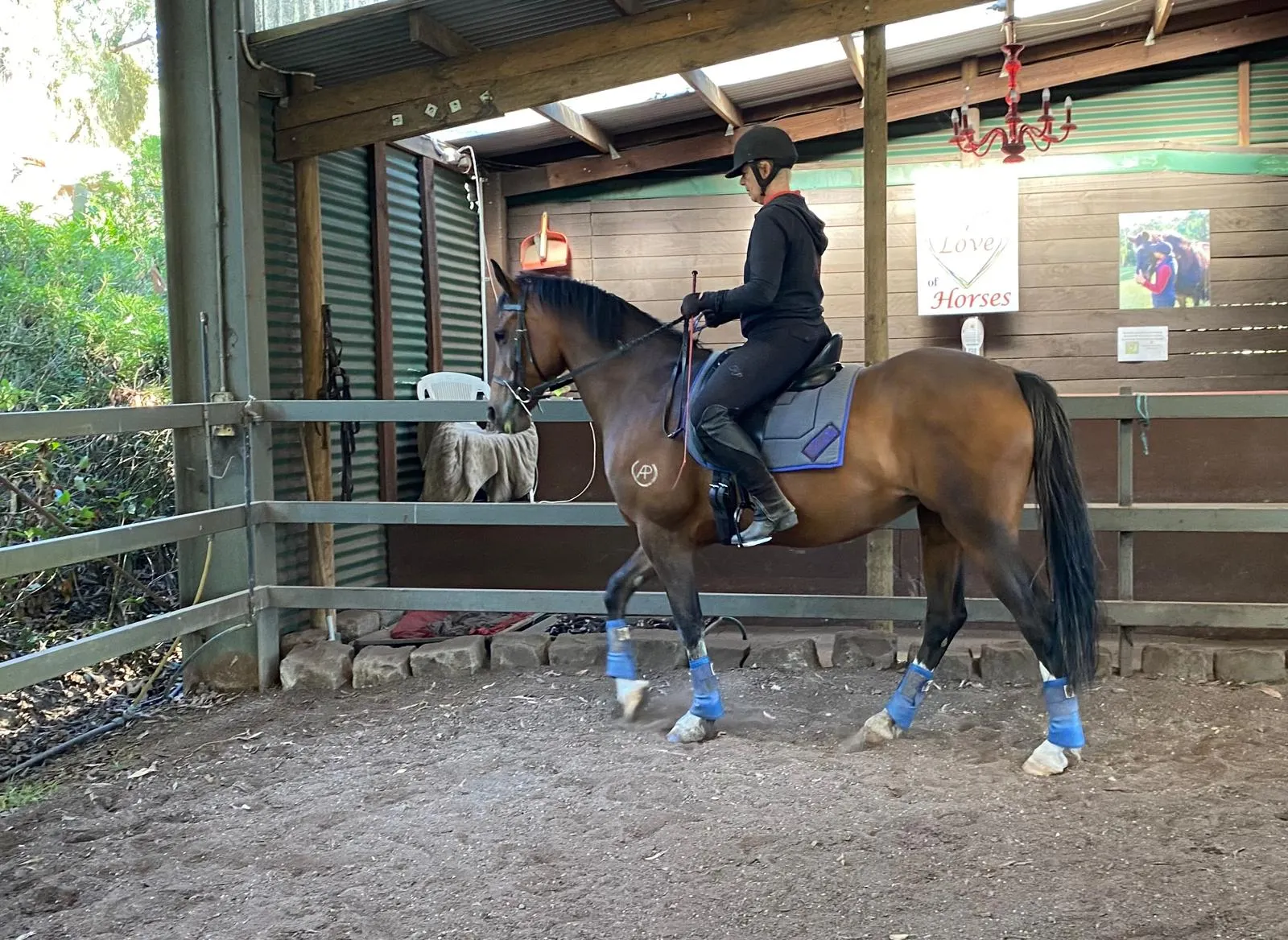
Final Thoughts
Next time you ride, pay attention to your corners.
Don’t rush them.
Don’t cut them.
Use them.
Feel what changes when you ride each one deliberately and with intention.
Your transitions will improve.
Your extensions will feel easier.
Your lateral work will flow.
Your balance — and your horse’s — will become more secure.
Corners are not just the bits in between movements.
They are where the training happens.
Go and ride some corners!!!
#AvocaParkEquestrian #DressageInLightnessOnline #HelpingPeopleLiveTheirLoveOfHorses #DressageTraining #HorseSchooling #RidingCorners #EquestrianEducation #StraightnessInHorses #HorseRiderBalance #LateralWork #AustralianEquestrian #HorseTrainingTips #DressageLife #LateralWork #AustralianEquestrian #HorseTrainingTips #DressageLife