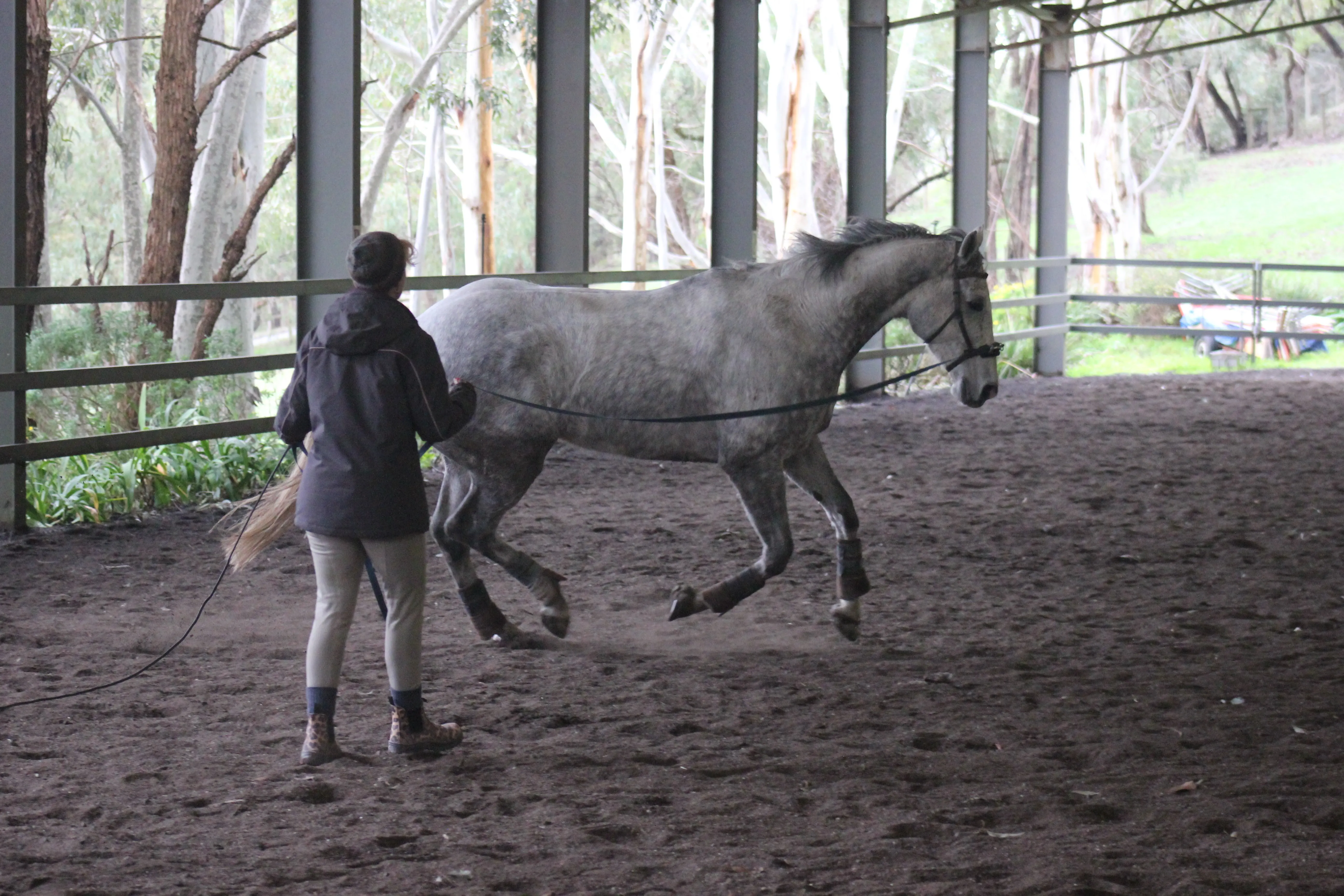
BALANCE, BALANCE, BALANCE!!
The Foundation of Every Great Racehorse
BALANCE, BALANCE, BALANCE!! The Foundation of Every Great Racehorse
Oct 24, 2025
If there’s one thing that separates the good from the great in racehorses, it’s not just pedigree, feed, or training intensity — it’s balance.
BALANCE, BALANCE, BALANCE!!
Without it, everything else eventually unravels. Without balance — both longitudinal (front to back) and lateral (side to side) — there’s only one guaranteed outcome: loss of maximum performance, discomfort, difficulties under saddle and often injuries ranging from subtle soreness to catastrophic breakdowns.
And beyond that? A waste of talent, a waste of money, and often a shortened or prematurely ended career.
Once you’ve seen good balance, you can’t unsee it.
Once you’ve felt a horse moving in good balance — light, forward, powerful and stable — you can’t unfeel it.
It’s like watching a top athlete in perfect form: every stride flows, every joint works in harmony and every ounce of energy goes toward efficient, effective movement.
But to get there, we have to understand what balance really means — and how to train it.
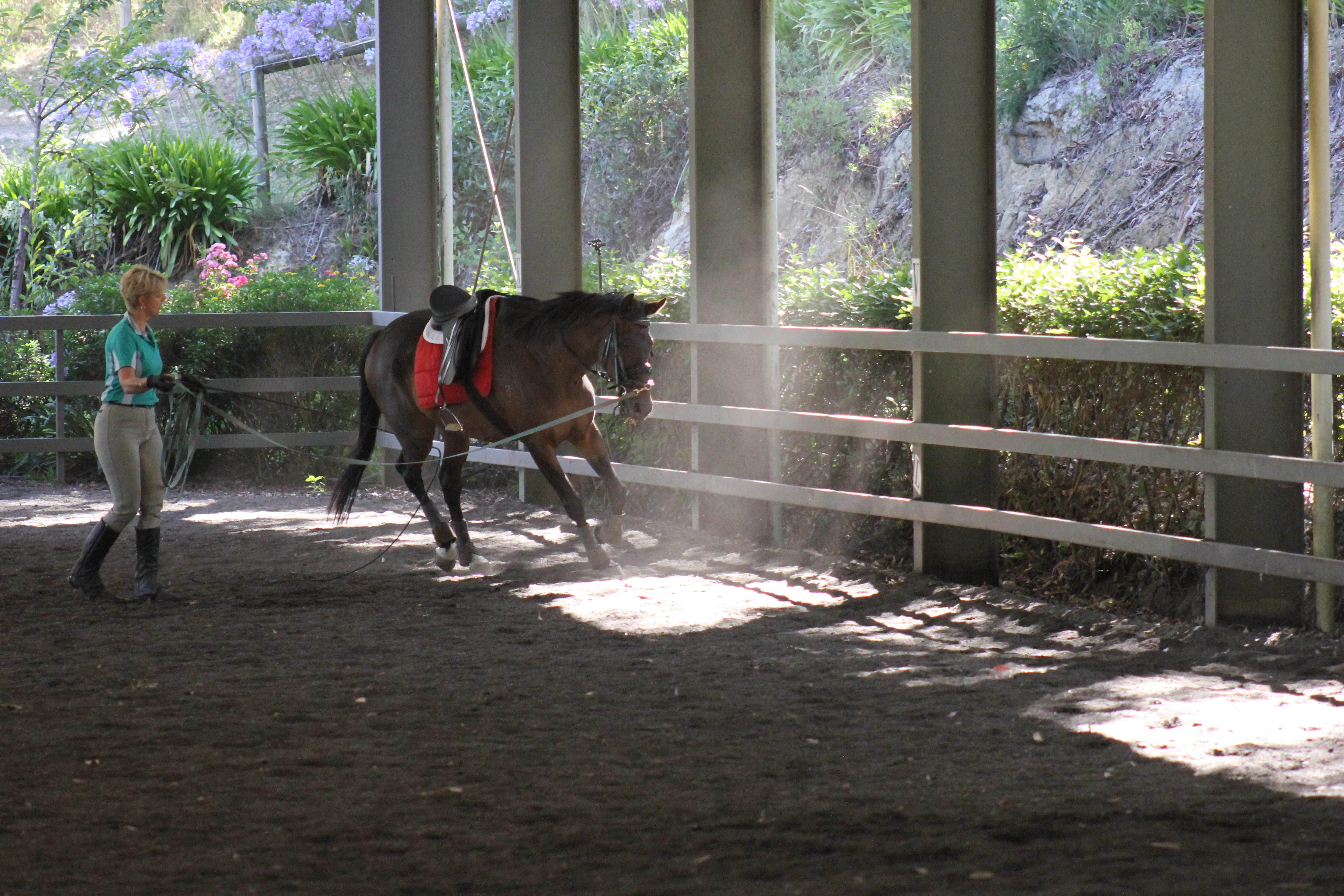
What Is Balance — Really?
Balance isn’t a mystical quality or something a horse just “has.” It’s a physical state of equilibrium in motion, developed over time through correct, systematic work.
It’s the horse’s ability to distribute weight evenly across the body — not loading the forehand, not leaning to one side — but carrying itself in a way that allows it to move straight, elastic and efficiently.
In a racehorse, balance is crucial because the job we ask of them — travelling at speed on a curve, changing leads, pushing out of the gate, responding instantly to the rider — requires the highest level of physical control.
Without it, they compensate. And compensation leads to tension, uneven wear, strain and injury.
Let’s look at the two key types of balance every racehorse must develop:
1. Longitudinal Balance (Front to Back)
This is the horse’s ability to shift weight between the forehand and the hindquarters.
Most horses are naturally heavier in the front, carrying about 60–65% of their weight there at rest. But racing and training can exaggerate that — especially if the horse isn’t strong or coordinated enough to carry more from behind.
A horse that’s too heavy on the forehand:
- Pounds its joints and tendons with each stride.
- Struggles to push off the ground efficiently.
- Loses agility and can’t rebalance quickly in a turn.
- Feels “on the hand” or “pulling” under saddle.
- Fatigues faster and risks injury — particularly in the forelimbs, neck, shoulders, and back.
Developing longitudinal balance means teaching the horse to engage the hindquarters, lift the wither slightly and carry more weight behind — like an athlete using their core rather than just their arms to move.
When that happens, the stride lengthens, propulsion improves and movement becomes light yet powerful. That’s when a horse starts traveling up into the bridle, not down onto it.
2. Lateral Balance (Side to Side)
Lateral balance is the horse’s ability to distribute weight evenly between the left and right sides.
It’s what keeps a horse straight — because straightness isn’t just about moving on a straight line; it’s about equal development of both sides of the body.
Every horse, like every person, has a “strong” and “weak” side. Left and right leads, left and right turns — one will always be easier. But if those differences aren’t addressed, they become ingrained.
The horse will:
- Drift or lean on one rein.
- Fall in or out on turns.
- Lose rhythm through transitions.
- Load one shoulder more heavily (a huge cause of tendon and suspensory issues).
- Be harder to ride evenly, especially under pressure or fatigue.
A laterally balanced horse tracks up evenly behind, moves straight down the track, and turns with equal control and confidence on both leads.
That’s efficiency, soundness, and speed all wrapped together.
Why Balance Matters More Than Most Realize
The racing industry talks endlessly about speed, fitness, recovery, and nutrition — but balance rarely gets the spotlight it deserves. Yet, it’s the invisible thread that ties everything else together.
Without balance:
- The best feed in the world won’t prevent overloading joints.
- The best rider can’t create softness or responsiveness.
- The best vet and farrier can only patch up symptoms, not the cause.
Balance is the foundation that every part of training, riding, and conditioning builds upon.
And when it’s missing — especially in young or developing horses — problems multiply fast.
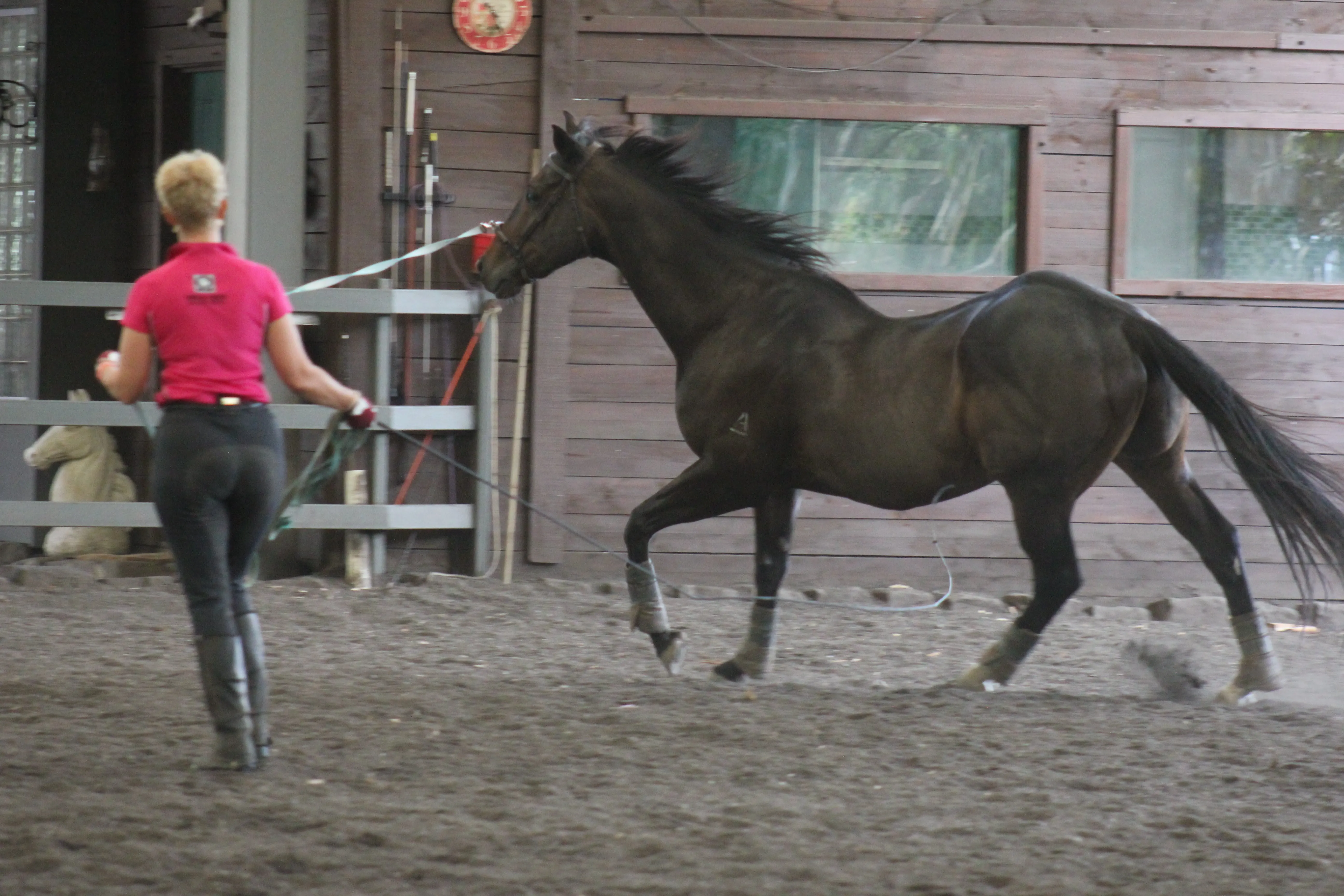
You’ll see:
- Short, choppy strides instead of lengthened ones.
- Struggling to change leads smoothly.
- A heavy mouth or reluctance to stretch forward.
- Uneven muscling, especially along the topline and shoulders.
- Difficulty maintaining rhythm or straightness under saddle.
- Recurrent soreness or unexplained lameness.
The Cost of Imbalance — Physically and Financially
Every trainer and owner knows that injuries are the most expensive part of racing — not just in treatment costs, but in lost time, lost performance and lost potential.
Imbalance is one of the leading causes of these setbacks, though it often hides behind other labels: “back soreness,” “mild lameness,” “not finishing off,” “reluctant to stretch out.”
Here’s how imbalance directly leads to those outcomes:
- Overloading one side or limb creates microstrain and inflammation.
- Forehand heaviness stresses tendons, fetlocks, and shoulders.
- Uneven tracking affects the pelvis and sacroiliac area.
- Tightness and tension in the topline restrict breathing and stride length.
Every one of those adds up — and often, by the time you see a clear injury, the imbalance has been building for months.
That’s why addressing it early — in groundwork, treadmill sessions, slow work, and under-saddle training — is not just smart horsemanship, it’s smart economics.
Because a balanced horse doesn’t just look better. It lasts longer.